
In this article, I will discuss the ways in which artificial intelligence is shaping the future Decentralized autonomous organizationsTransforming governance, decision-making and automation.
From intelligent proposal analysis to autonomous agents and real-time treasury management, AI is redefining how decentralized organizations operate.
These innovations improve efficiency, security and engagement, paving the way for smarter, more adaptive and autonomous blockchain-based ecosystems.
Key points and ways in which AI is shaping the future of decentralized autonomous organizations
1. Analyze and summarize AI-powered governance
AI-powered management tools can now use advanced natural language processing (NLP) models, such as transformer-based architectures, to look through thousands of DAO forum posts in just seconds.
More and more platforms, like Snapshot and Tally, are adding AI summarization layers to give sentiment scores, find key arguments, and identify bias.
Recent improvements for 2025 include multilingual summaries and real-time proposal details, helping voters not feel fatigued.
This makes it easier for token holders to quickly understand complex proposals, increasing participation rates and allowing more data-driven governance decisions to be made without the need for deep technical knowledge.
2. Create and improve automated suggestions
AI-based proposal generation uses historical on-chain governance data and behavioral analytics to create optimized proposals with higher odds of approval.
Tools inspired by OpenAI GPT models and DAO analytics platforms now evaluate voting trends, quorum limits, and past rejection reasons.
In 2025, advanced systems simulate the outcomes of proposals using predictive modeling, indicating governance risks such as treasury drain or centralization.
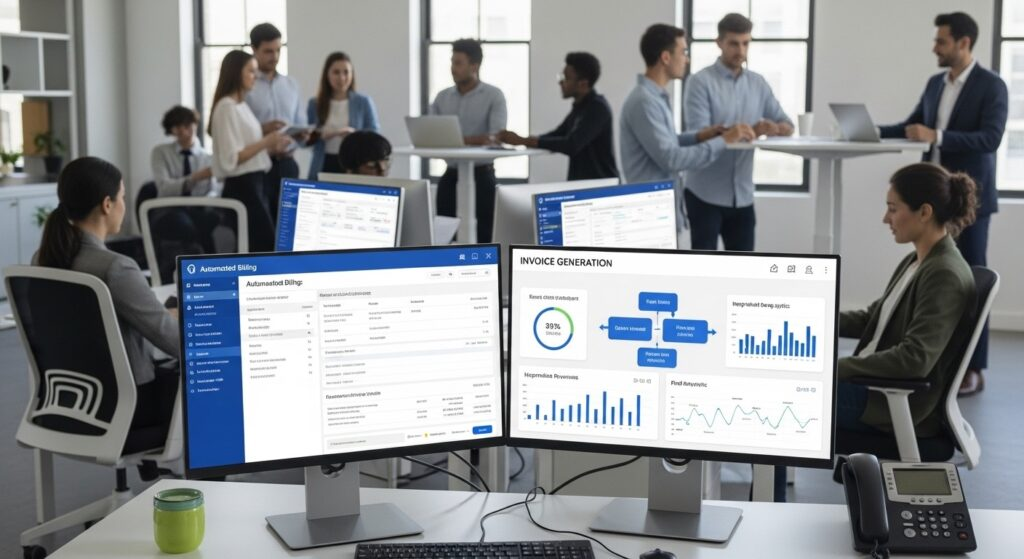
These systems also suggest improvements in formulation and incentive structures, which significantly reduces failed proposals.
This shifts governance from reactive decision making to proactive, data-backed strategy formulation within decentralized organizations.
3. Real-time financial risk management
Modern DAO vaults increasingly rely on AI-powered risk engines to monitor volatile cryptocurrency markets 24/7. Protocols like MakerDAO use automated systems to track collateral ratios and liquidation risks.
In 2025, AI tools will integrate real-time macroeconomic signals, DeFi return volatility, and liquidity pool analytics to recommend rebalancing strategies on the spot.
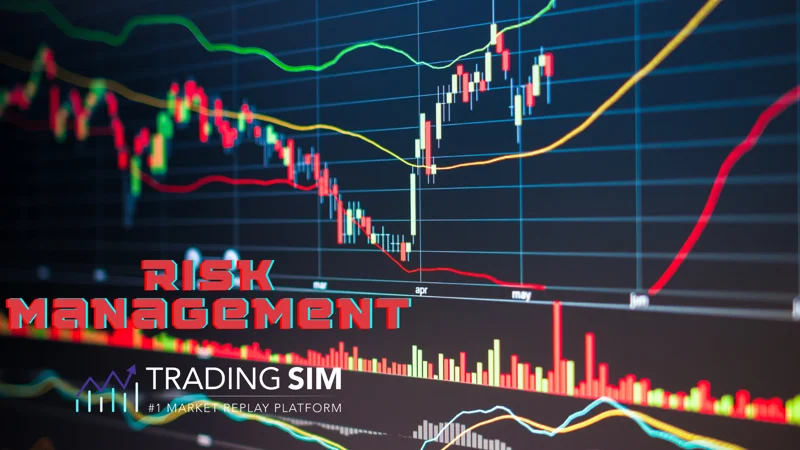
Some DAOs deploy autonomous smart contracts that execute trades based on AI signals, minimizing losses during a market crash.
This represents a shift from manual treasury oversight to ongoing algorithmic financial risk mitigation and capital preservation strategies.
4. AI agents as active token holders (DAO edges)
AI agents evolve into active DAO participants capable of holding governance tokens and voting autonomously.
These agents use pre-defined rules or reinforcements to learn Models for rational and unbiased decision making. Emerging frameworks built on Ethereum allow AI-controlled smart wallets to participate in governance.

By 2025, this approach will address voter apathy by ensuring continued participation. AI agents can react instantaneously to new proposals, improving management efficiency while reducing emotional or uninformed voting behaviors, ultimately creating a more stable and predictable decision-making environment.
5. Optimize and audit smart contracts
AI is transforming smart contract security by enabling continuous, real-time auditing rather than periodic manual reviews.
Tools integrated with platforms like CertiK use machine learning models to instantly detect anomalies, re-entry risks, and gas inefficiencies.

In 2025, AI auditing systems will incorporate pattern recognition trained on historical exploits, improving the accuracy of vulnerability detection.
These systems also propose optimized code structures, which reduces implementation costs. This proactive security approach significantly reduces the risk of hacking, making decentralized applications more secure and more resilient against evolving cyber threats.
6. “Swarm intelligence” through decentralized autonomous organizations (top-level management)
Swarm intelligence introduces a new layer of cooperation where AI agents represent multiple decentralized, autonomous organizations and coordinate decisions across ecosystems.
Projects experimenting with meta-governance use interconnected agents on networks like Polkadot to share governance insights and liquidity strategies.

In 2025, AI-based cross-DAO coordination enables automated voting alliances, shared treasury investments, and simultaneous promotions.
This reduces fragmentation in decentralized ecosystems and enhances collective intelligence, allowing DAOs to operate more efficiently at scale without the need for central coordination or human intervention.
7. Automated allocation of resources
AI improves DAO efficiency by dynamically allocating treasury funds based on real-time performance metrics.
Platforms like Gitcoin integrate AI models to evaluate the impact of grants, developer activity, and return on investment. In 2025, predictive analytics evaluates a project’s odds of success before making funding decisions.
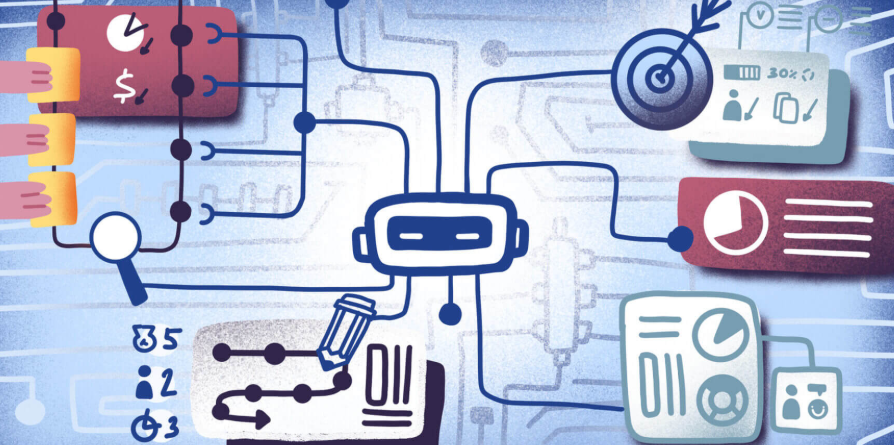
AI can automatically redirect capital toward high-performing initiatives while reducing funding for underperforming initiatives.
This continuous improvement ensures that DAO resources are used efficiently, leading to improved sustainability and increased ecosystem growth in the long term.
8. On-chain autonomous agents (AI becomes DAO)
The concept of fully autonomous, decentralized organizations is gaining significant attention, where AI agents control vaults and execute strategies autonomously.
Aragon’s experimental systems demonstrate how AI can set governance rules, deploy capital, and adapt strategies without human oversight.
By 2025, these agents will combine machine learning models with smart contracts to create autonomous enterprises.
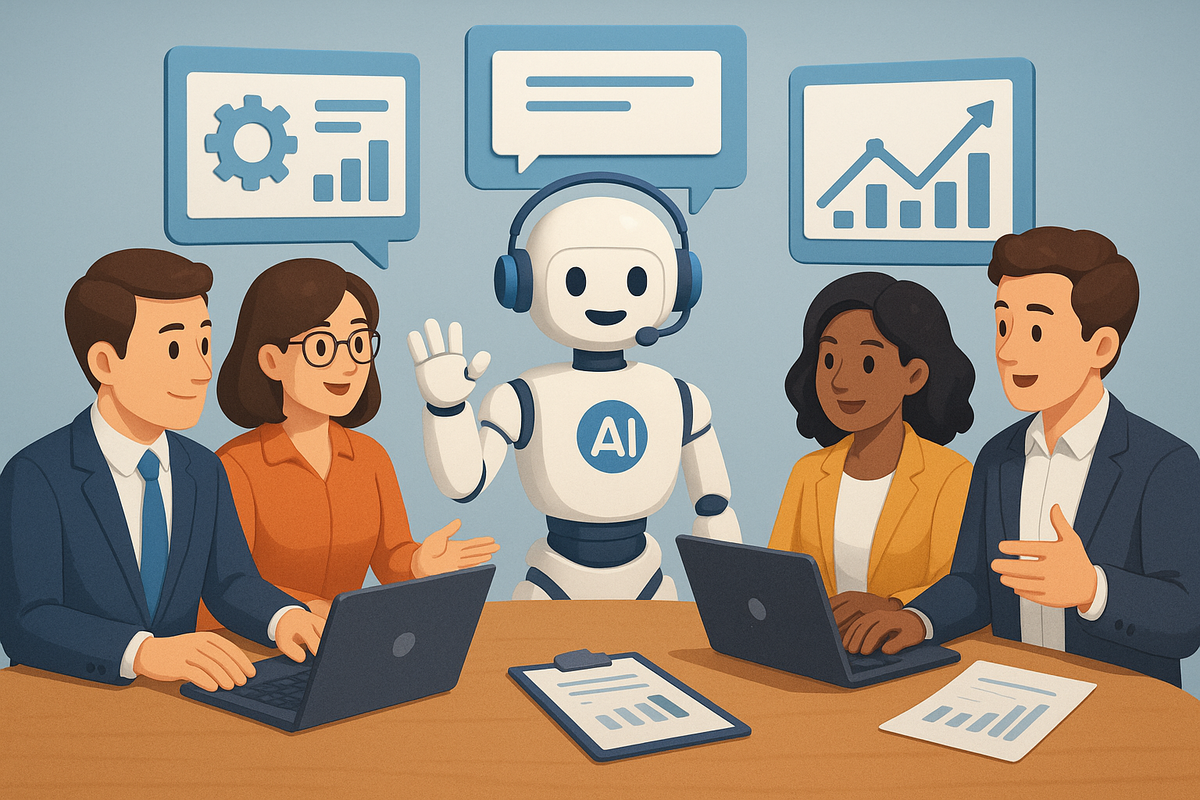
This represents a paradigm shift where decision-making is no longer human-based, but rather algorithmically improved, enabling faster execution, reduced bias, and continuous adaptation to market conditions.
9. AI-based content and reputation management systems
AI-powered moderation tools have become essential to maintaining the integrity of the DAO. Using NLP and behavioral analysis, AI can detect spam proposals, governance attacks, and malicious actors in real-time.
Platforms that integrate reputation scoring systems analyze wallet activity and contribution history. In 2025, decentralized autonomous organizations will deploy artificial intelligence to assign dynamic trust scores, preventing bad actors from influencing governance.
This ensures higher quality discussions, safer voting environments, and stronger community trust, which is critical to the DAO’s long-term sustainability.
10. Intelligent identity verification (DID integration)
Artificial intelligence combined with decentralized identity (DID) systems enhances the security and trust of DAO engagement. Protocols built on DID polygon support Frameworks That verifies user credentials without revealing sensitive data.

In 2025, AI models detect Sybil attacks by analyzing behavioral patterns across wallets and networks. This allows decentralized autonomous organizations (DAOs) to include verified members while maintaining privacy.
AI integration with DID replaces traditional KYC processes, making governance more secure, decentralized, and easier to use.
11. Self-improving governance mechanisms
Advanced AI systems enable decentralized autonomous organizations to develop independently by learning from the results of previous management. These systems analyze voting patterns, success rates of proposals and the economic impact of improving governance rules.
In 2025, reinforcement learning models allow DAOs to dynamically adjust quorum thresholds, voting incentives, and treasury strategies.

This creates adaptable governance structures that improve efficiency over time. By continually improving decision-making processes, AI-based DAOs can remain agile, competitive, and aligned with community goals in rapidly changing environments.
Cocknelsion
At cocnlsuon, AI is rapidly transforming decentralized autonomous organizations (DAOs) by enhancing governance, automating decision-making, and improving security.
From intelligent proposal analysis to autonomous agents and real-time treasury management, these innovations are making decentralized organizations more efficient and scalable.
As AI continues to evolve, DAOs will become increasingly smarter, more adaptive, and more autonomous, opening up new possibilities for decentralized collaboration and digital economies.
Instructions
AI improves DAO governance by analyzing proposals, summarizing debates, and helping voters make informed, data-driven decisions quickly.
AI uses historical voting data and trends to create improved proposals with higher chances of approval and reduced risk.
Yes, AI monitors the markets 24/7, identifies risks, and can automatically rebalance assets to protect DAO funds.
AI agents are autonomous programs that can hold tokens, vote on proposals, and participate in governance without human intervention.



