


TLDR
- Trump described NATO allies as “cowards” for not helping reopen the Strait of Hormuz
- The US-Israeli war against Iran began on February 28, and is now in its third week
- The S&P 500 is down nearly 5% since the conflict began
- Gas prices rose by 31% to $3.91 per gallon due to supply disruptions
- Many NATO members pledged to help ensure safe passage through the strait, but only after the fighting was over
💥 Find your next KnockoutStock! Get live prices, charts and KO results from KnockoutStocks.coma data-driven platform that ranks each stock based on quality and breakout potential.
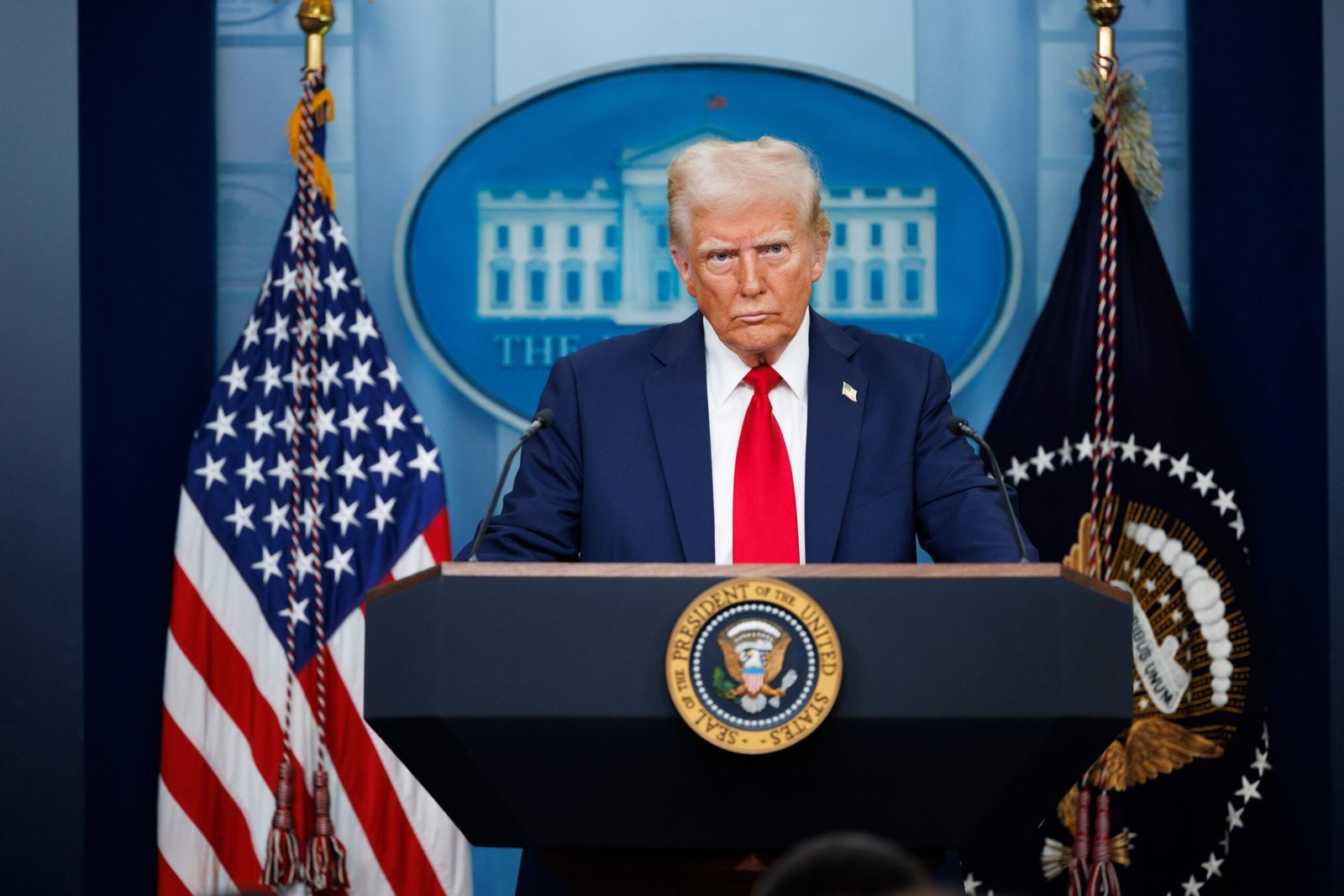
Trump publicly attacked NATO allies on Friday, calling them “cowards” for refusing to help reopen the Strait of Hormuz during the ongoing US-Israeli war against Iran.
Good morning – President Trump attacks NATO and describes it as “cowards” and a “paper tiger.” pic.twitter.com/fZpgxlechw
– Danny Kemp (@dannyctkemp) March 20, 2026
“Without the United States, NATO is a paper tiger!” Trump wrote on Truth Social.
The conflict began on February 28, when US-Israeli strikes against Iran began. Since then, thousands have been killed and millions displaced.
Trump has repeatedly called on key allies to help secure shipping through the Strait of Hormuz, a vital waterway controlled by Iran. Traffic through the strait is almost at a standstill.
None of the Allies were consulted or advised before the war began.
Trump said reopening the Strait would be a simple, low-risk process NATO countries.
“Now that they have won the battle militarily, with very little danger to them, they complain about the high oil prices they are forced to pay, but they do not want to help open the Strait of Hormuz,” he wrote.
He ended his post with a direct warning: “You cowards, we will remember!”
How war hits the markets
The Standard & Poor’s 500 index has fallen about 5% since the conflict began on February 28. Gas prices jumped by 31% to $3.91 per gallon due to supply disruptions due to the cessation of traffic in the strait.

Oil prices The standoff continues to escalate as the standoff enters its third week with no clear sign of de-escalation by the United States or Iran.
Trump directly pointed to the closure of the strait as the sole reason for the rise in oil prices, describing its opening as a “simple military maneuver.”
How does NATO respond?
Germany, Britain, France, Italy, the Netherlands, Japan and Canada signed a joint statement on Thursday pledging to join “appropriate efforts to ensure safe passage through the strait.”
However, German Chancellor Friedrich Merz made it clear that any engagement would not occur until after the fighting had ended.
French President Emmanuel Macron said, after the European Union summit in Brussels, that encouraging de-escalation and defending international law is “the best we can do.”
He added: “I have not heard anyone here express their willingness to enter into this conflict – quite the opposite.”
The gap between Trump’s demands and NATO’s position remains wide as the war enters its third week with no ceasefire in sight.
As of Friday, traffic through the Strait of Hormuz remains virtually halted, and both the United States and Iran show little sign of slowing down.
Considering new stocks? You may want to see what’s on our watchlist first.
Our team at Knockout stocks Follows high-performing analysts and market-driving trends to spot potential winners early. We’ve identified five stocks with quiet interest that may be worth watching now. Create your free account to unlock the full report and get ongoing inventory insights.



