
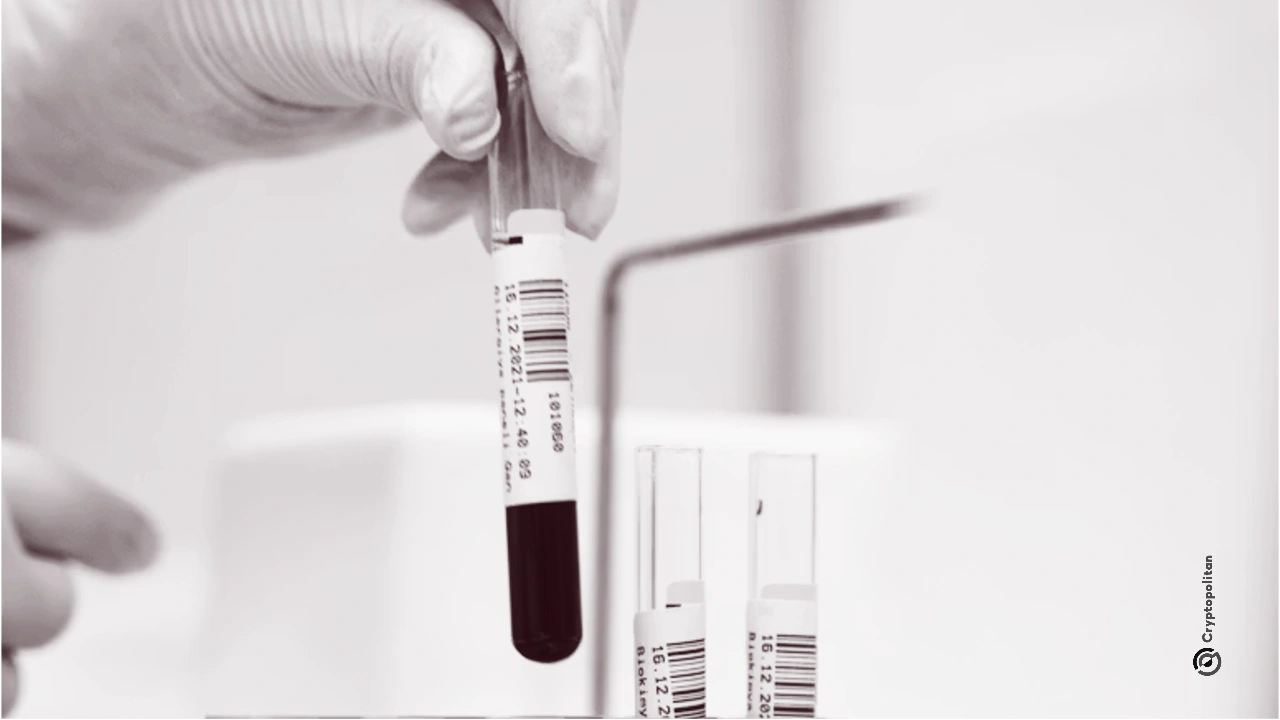
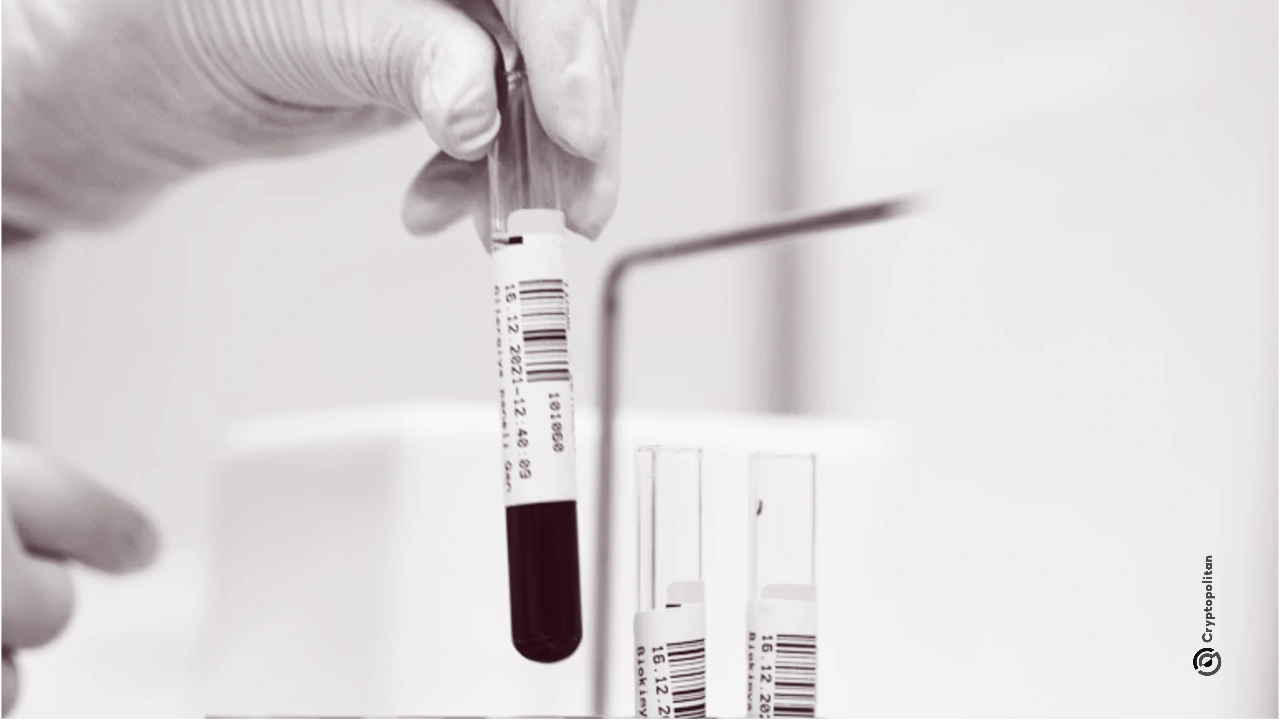
One of the most widely studied drugs to extend life in animals has failed to be tested in humans in a 13-week clinical trial co-funded by the DeSci VitaDAO community.
The trial, conducted by Dr. Brad Stanfield, a general practitioner based in Auckland, New Zealand, sought to find out how the so-called drug rapamycin, combined with exercise, affected older people. “Rapamycin didn’t help. It may have made things worse,” Dr. Stanfield said.
Rapamycin is one of the most studied life-prolonging drugs in animals. So @Brad Stanfield MD He conducted a proper clinical trial to find out what happens in humans. @vitadao and @lifespannews We participated in financing it 💛
Forty people, aged 65 to 85, performed the same exercise program for 13 weeks. I got half… https://t.co/PwlDmJ45WK
– Vitadao 💛 (@vitadao) April 16, 2026
Up to 40 sedentary people between the ages of 65 and 85 were studied in the trial. Once a week, half of them received 6 mg of rapamycin (sirolimus), while the other group got placebo pills, which are essentially identical-looking inactive drugs that serve to compare the effects of real drugs.
Participants in the placebo treatment improved more than the rapamycin group
All participants underwent the same exercise programs. The idea was to use exercise to activate mTOR, which signals muscles to build protein and become stronger, and then use rapamycin to switch the body to autophagy, which has been found to promote long-term health in animal studies.
“Switch between the two, and you get the best of both worlds. At least, that was the theory,” Dr. Stanfield said.
Those who got the placebo did much better. They could walk longer, had better strength, and also gained approximately 3.4 more chair-stand repetitions than the rapamycin group.
Although both groups saw an equal rate of people (85% each) reporting side effects, Dr. Stanfield said the rapamycin group saw a greater number of events (99 versus 63), to the point where one participant was hospitalized with pneumonia after receiving a single dose of rapamycin.
What went wrong with the rapamycin clinical test?
For context, a PubMed Central report notes that a three-month rapamycin treatment raises the life expectancy of rodents by up to 60%. Therefore, the effectiveness of the drug itself is not in doubt. “The leading theory is a pharmacokinetic problem,” Dr. Stanfield said.
Pharmacokinetics is basically the study of how long a drug stays in the body. In this case, rapamycin has a half-life of about 62 hours, which means it interferes with training sessions and the muscle building process.
“Even when dosed the day after exercise, active drug levels persisted into subsequent training sessions, partially blocking mTOR when muscles needed it most.” Dr. Stanfield explained.
“Exercise remains the single best intervention for maintaining function in older adults,” he concluded.
Longevity research is increasingly becoming a big part of DeSci. The 13-week trial was funded by the decentralized autonomous community, VitaDAO, which Related studies have been funded Since 2021, in contrast to traditional financing, which is said to exacerbate the “valley of death” between discovery and clinic.
Cryptocurrency founders are not left out. Coinbase CEO Brian Armstrong, including Ethereum co-founder Vitalik Buterin, has donated directly to labs and organizations focused on longevity.
Armstrong is too Co-Founder of ResearchHub and NewLimita biotechnology company that uses genetic reprogramming to fight aging, which is believed to be the root cause of most major diseases.
Aging is arguably the root cause of most major diseases. Our cells lose their function as we age, allowing various conditions to develop, which is why most major diseases are age-related.
Yes, it’s more complicated than that, but this is a key component. @newlimit It works on… pic.twitter.com/pXJuL2gig1
– Brian Armstrong (@brian_armstrong) April 14, 2026



