
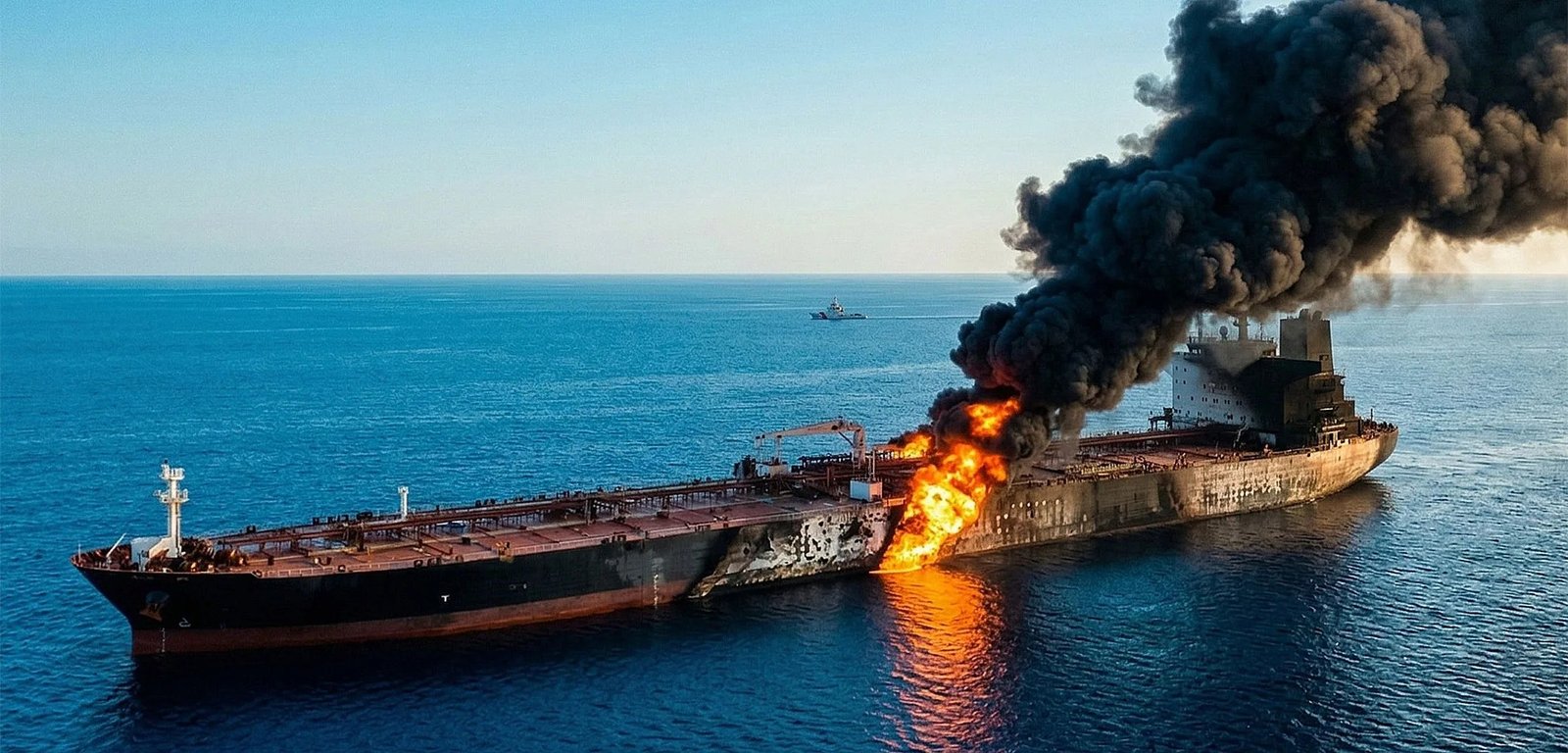

One ship paid $2 million just to pass through the Strait of Hormuz. This single data point tells you everything about the state of the world’s most important oil corridor right now.
Ships sit idle as the clock runs out
US President Donald Trump issued a 48 hour deadline On Saturday, he threatened to destroy Iran’s power plants if freedom of passage through the Strait of Hormuz was not restored by Monday night.
The warning – published on the Truth Social website – came as maritime data showed that tanker transit through the strait had collapsed by more than 90%. Hundreds of ships are standing idle on both sides of the waterway, pushing Brent crude above $100 a barrel for the first time since 2022.
Iran announced the closure of the Strait of Hormuz on March 4, three days after the United States and Israel opened the Strait of Hormuz. Joint air strikes On Iranian military targets on February 28.
Since then, Iranian forces have attacked at least 10 ships trying to cross the passage, killing five crew members on two ships.
Tehran made clear that it would not back down. Iranian officials warn that they will target regional energy facilities if their oil infrastructure comes under a direct attack.
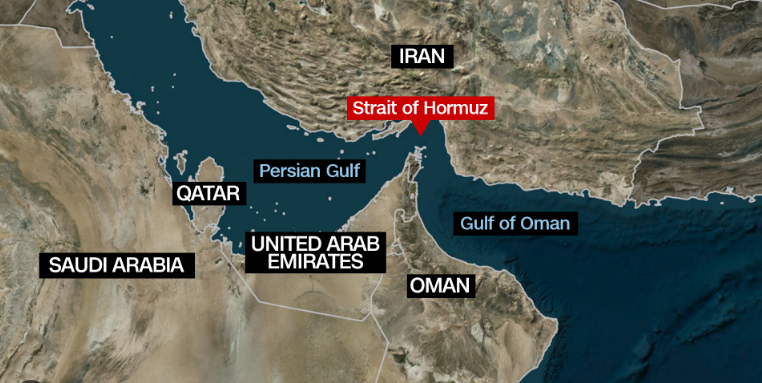
The Strait of Hormuz. Image: CNN
The US military has tried to create gaps in Iran’s ability to do so Shipping threat. Admiral Brad Cooper, head of US Central Command, said US fighter jets bombed an underground Iranian coastal facility storing anti-ship cruise missiles earlier this week, claiming it had “weakened” Iran’s offensive capability. Iran’s response to Trump’s ultimatum: threats of broader retaliation.
The energy shock ripples through global markets
The scale of this disruption is unparalleled in modern times. The International Energy Agency described it as “the biggest global energy and food security challenge in history.”
The price of Brent crude reached $126 a barrel at its peak – the shutdown was described as the largest energy supply disruption since the 1970s. Oil crisis.
The economic pain extends beyond the pump. Andrei Koen-Barabanov, head of supply chain at Moody’s, warned that for many goods moving through the strait, stocks typically cover only a few weeks, meaning shortages could emerge quickly if disruptions persist.
Nearly 85% of Middle East polyethylene exports move through the Strait of Hormuz, meaning packaging, auto parts and consumer goods all face higher costs. Prices of aluminum, fertilizers and helium also rose.
Bitcoin holds its ground while cryptocurrencies watch oil
Digital asset markets do not rule this out. US strikes on Iran and the blockade of the Strait of Hormuz have battered the global oil market, pushing volatility to its highest levels since 2020 and forcing markets to revise expectations about the timing of interest rate cuts – a shift that directly impacts cryptocurrency valuations.
yet Bitcoin He showed a degree of survivability that surprised some traders. Even as oil prices fluctuated wildly and Goldman Sachs warned that prices could reach $150 a barrel, Bitcoin held steady between $67,000 and $71,000, with lower open interest rates signaling a slowdown in speculative leverage.
Featured image from Navy Lookout, chart from TradingView
Editing process Bitcoinist focuses on providing well-researched, accurate, and unbiased content. We adhere to strict sourcing standards, and every page is carefully reviewed by our team of senior technology experts and experienced editors. This process ensures the integrity, relevance, and value of our content to our readers.



