
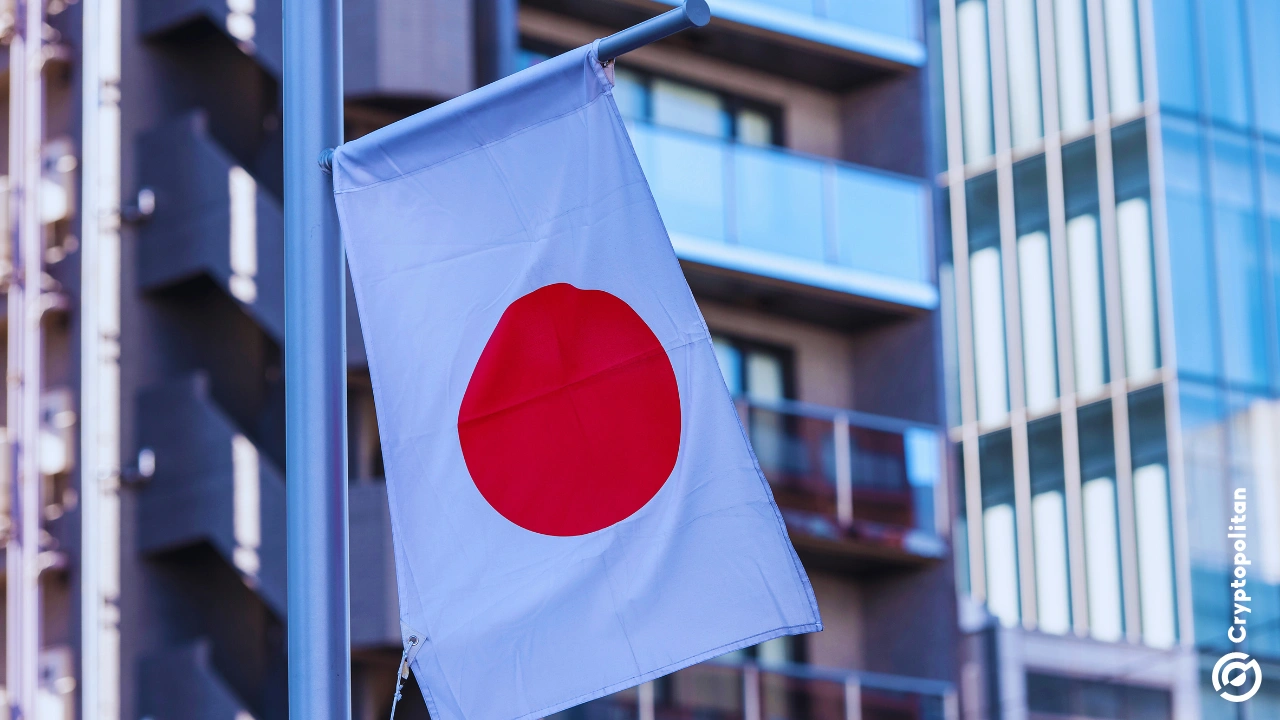
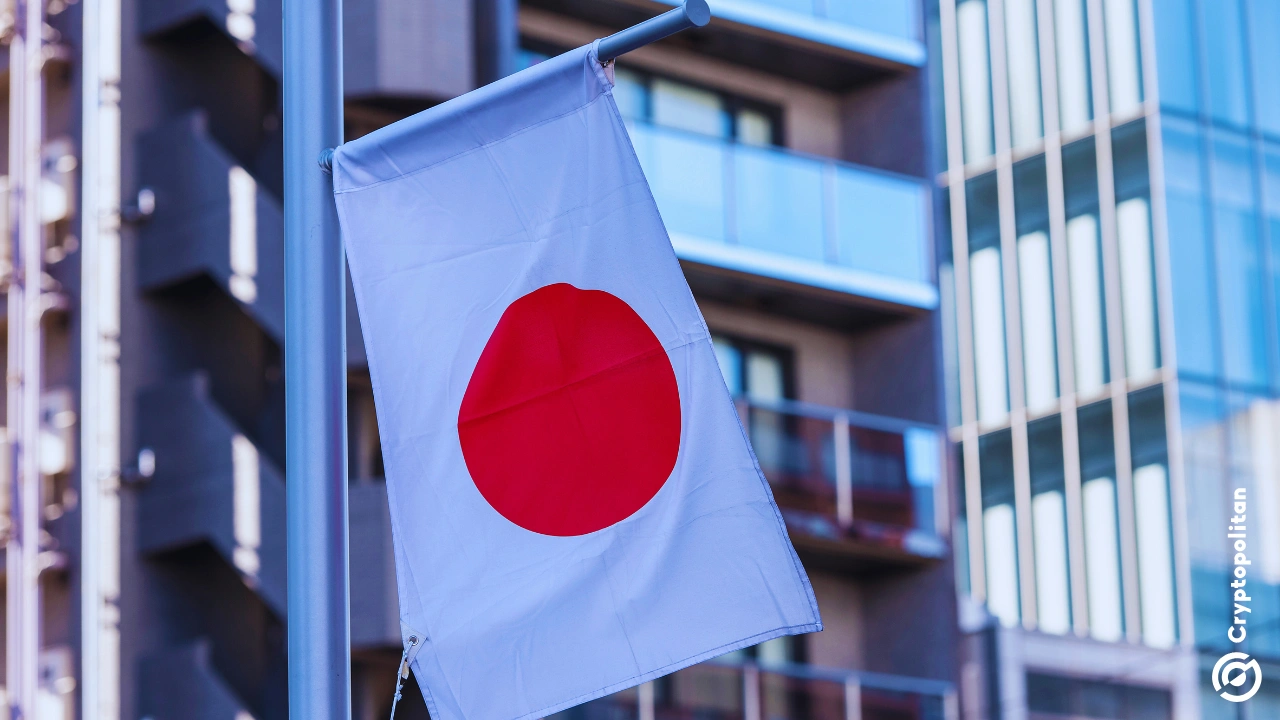
Japanese investors pulled $29.6 billion of U.S. government-related debt in the first quarter of 2026, the country’s largest quarterly sale since the second quarter of 2022, which was essentially four years ago.
The first quarter also broke a strong buying spree, because Japanese accounts had bought U.S. debt in 11 of the previous 12 quarters, and this was their first quarterly net selling since the fourth quarter of 2024. The agency’s group covers mortgage-backed securities and debt linked to government-backed companies.
Municipal debt covers municipal bonds sold by U.S. states, cities, and local governments. In just the first two months of the year, Japanese investors sold $4.14 billion worth of US agency bonds, based on the latest US Treasury Department figures.
Japanese investors reduced their holdings of US debt as inflation changed the Fed’s trade
Activity has returned to normal after the painful repricing in February, with record OIS Reasonably priced The Federal Reserve will cut interest rates twice in the coming months. It is clear that this was before the United States, in coordination with Israel, bombed Iran, the price of oil rose by 50%, and traders changed their position to raise interest rates during the coming period.
The Japanese continue to hold the largest share of US debt among all foreigners, totaling about $1.24 trillion. The United Kingdom comes next with $897 billion, followed by China with $693 billion. But data now suggests that the Japanese are selling their positions in US bonds due to the better returns on offer domestically.
Japanese 10-year government bond yields reached 2.73%, the highest level since May 1997. Markets expect a 25 basis point increase in the central bank’s interest rate to 1% for June due to continued strong inflation.
The 30 years Yield JGB Interest rates reached 4% for the first time since the bonds were launched in 1999. Yields on 5-year and 20-year Japanese government bonds also touched record levels earlier in the week.
Finance Minister Satsuki Katayama said on Friday that government bond yields were rising in the world’s largest markets. “These developments interact with each other, and this creates a ripple effect,” Satsuki told reporters.
Global bond markets are witnessing a sell-off as oil, auctions and Fed warnings weigh on traders
Japanese Prime Minister Takaishi Sanai won a landslide election in February after promising more public spending and help fight inflation.
The Sanaa government is already subsidizing gasoline prices. Economists are now warning that her administration may need a supplementary budget later this year, which would put further pressure on Japanese government bond prices.
In America, Trump’s price concerns due to the war are pushing up borrowing costs, with the yield on 30-year Treasury bonds heading towards a two-decade high above 5%.
Treasury yields are now about half a percentage point or more higher than late February levels. The two-year yield reached 4.07%, its highest level since early 2025. The 10-year bond yield reached 4.59% after rising by about a quarter point last week, its biggest weekly jump since April of last year.
Long-term Treasury yields are important because they feed mortgage and corporate loan rates. Bond investors have spent two months monitoring signs that higher oil prices may hurt growth more than inflation. Higher returns over the long term have raised this question again.
Last week’s auctions didn’t give dealers anything nice to smile about. The sale of 30-year Treasuries was the first since 2007 to liquidate at a rate of up to 5%, and demand was still evident. The 3-year and 10-year auctions also attracted moderate interest.
A JPMorgan Chase & Co. (JPM) survey showed Treasury short positions at their highest level in 13 weeks. Investors will now watch the minutes of the Fed’s April meeting on Wednesday to see how supportive voters are of the opposition. Chicago Fed President Austan Goolsbee said broad-based price pressure could signal a rise in temperature. Federal Reserve Governor Michael Barr described inflation as an “overwhelming” risk facing the economy.
Don’t just read cryptocurrency news. Understand that. Subscribe to our newsletter. It’s free.



