
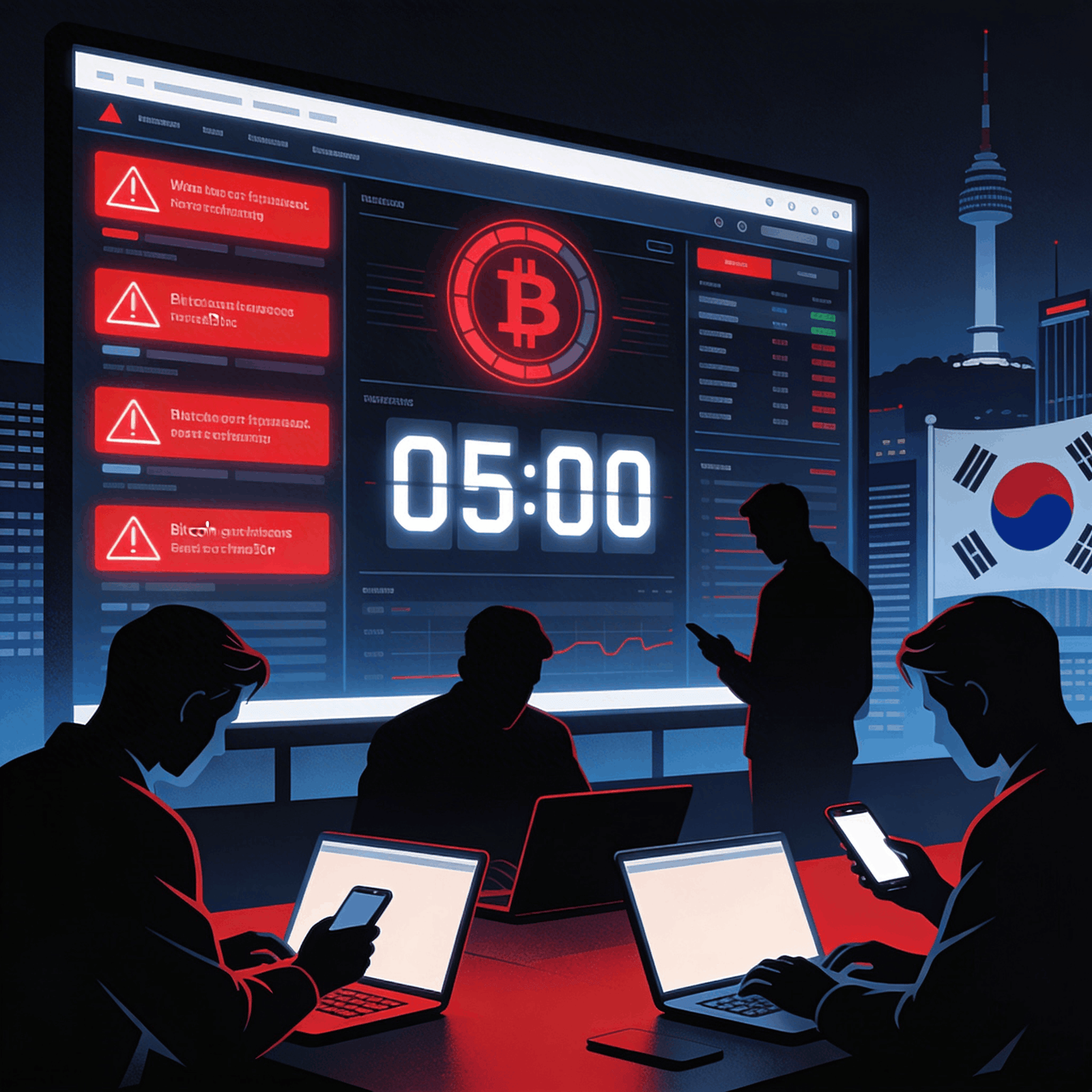

South Korea’s Financial Services Commission (FSC) has ordered all local cryptocurrency exchanges to implement near real-time asset matching systems.
A stricter time system for exchanging cryptocurrencies
All Korean cryptocurrency exchanges must have a new asset matching system in place by the end of May if they do not want compliance issues, the financial regulator said on Monday. According to the Korea TimesExchanges must now shift from the 24-hour settlement cycles currently adopted by most major exchanges to a standardized 5-minute asset matching system.
A time asset matching system is software that constantly compares what an exchange says customers own on its internal ledger with the actual currencies and cash it holds in wallets and bank accounts. In real-time asset tracking, every few minutes the system reconciles user balances, order book positions and margin with on-chain and off-chain reserves. If there is a mismatch beyond a set limit, it can automatically trigger alerts or even a kill switch to stop deposits, withdrawals or trading.
Regulators found that the existing lock switches of some major exchanges were also unreliable during large mismatches. This is why the FSC also requires that exchanges report their asset matching results on a daily basis, with additional independent reviews conducted by accounting firms each month.
Another update to the Digital Assets Basic Law
This is the most stringent tightening of operational rules since the first wave of virtual asset laws in Korea. Related regulations will be incorporated into a new draft law designed to govern the broader virtual assets market, the Digital Assets Basic Law. The government and the ruling Democratic Party are currently working on improving the second phase of virtual asset legislation, the Korea Times claims.
The Framework Law on Digital Assets should have been before the National Policy Committee on March 31street agenda but Discussion of the second phase of the cryptocurrency law has been postponed until after the local elections on June 3.
Summary of the “Ghost Bitcoin” incident that occurred at Bithumb
This follows a change in trend A bug in the “Ghost Bitcoin” system from Bithumb last Februarywhen an employee entered “BTC” instead of winning a promotional event, accidentally crediting 620,000 BTC (about 13-15 times Bithumb’s actual reserves) to 249 users. The situation led to Bithumb’s bitcoin price briefly collapsing, triggering liquidations and revealing that the exchange’s internal ledger allowed for transfers far exceeding real holdings.
after that, Bithumb faced a partial business suspension for 6 months and a fine of 36.8 billion won regarding serious Anti-Money Laundering/Know Your Customer (AML/KYC) violations.
Korea is moving towards banking-style accountability and real-time verification of exchanges. The question this shift raises is whether this system will become a model for other high-volume markets, especially where regulators are already talking about proving reserves, supervising stablecoins, and holding exchanges accountable.
Traders can expect stricter collateral rules, less short-term liquidity in Korean venues, but also less risk for “ghost” assets.
If Korea proves that five-minute stop and match switches are widely applicable, global regulators may demand similar systems, turning the Bithumb saga into a baseline for centralized control of stock market risk.
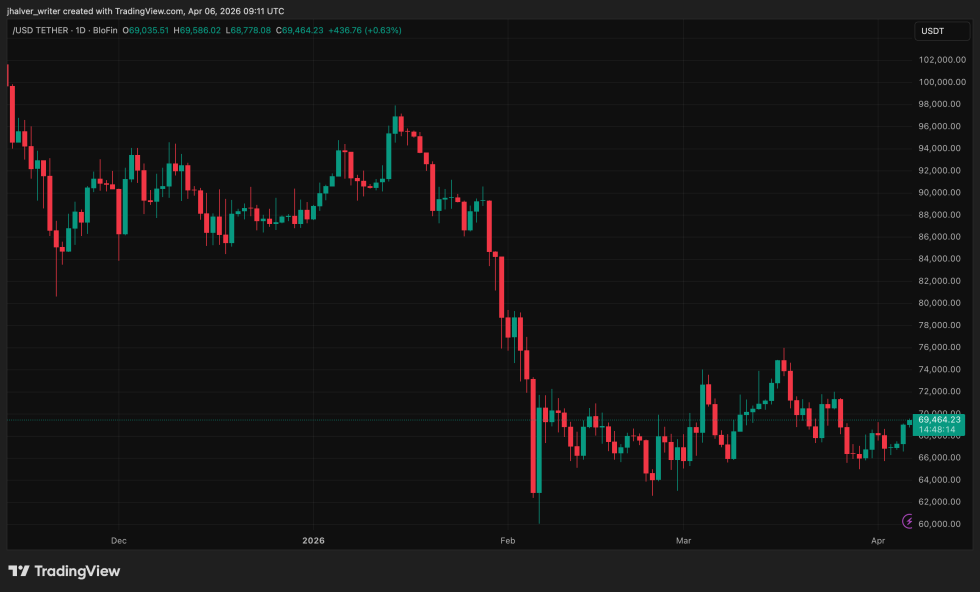
At the moment of writing, BTC trades for almost $70k on the daily chart. Source: BTCUSDT on Tradingview.
Cover image by Perplexity. BTCUSDT chart from Tradingview.
Editing process Bitcoinist focuses on providing well-researched, accurate, and unbiased content. We adhere to strict sourcing standards, and every page is carefully reviewed by our team of senior technology experts and experienced editors. This process ensures the integrity, relevance, and value of our content to our readers.



