
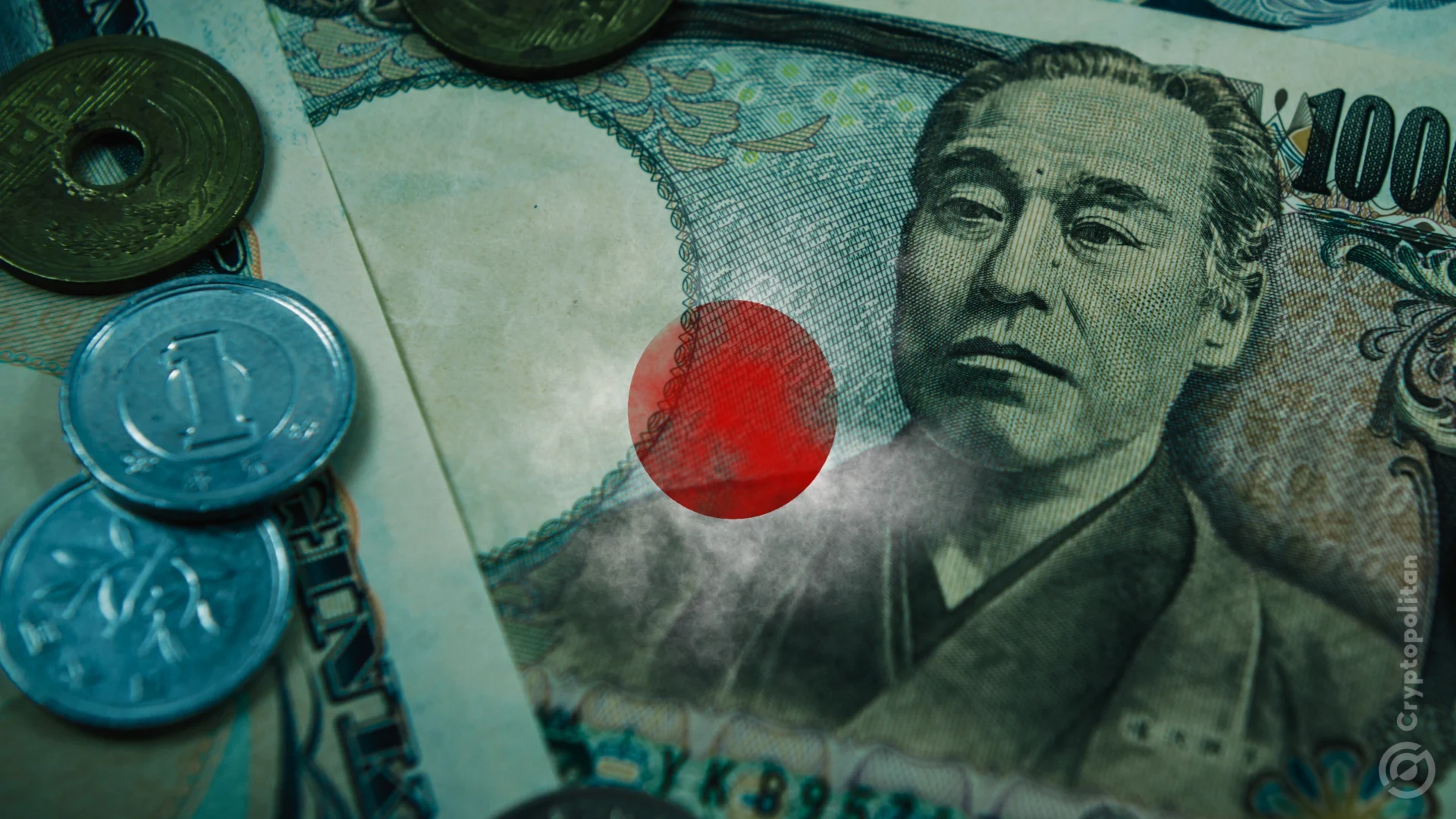
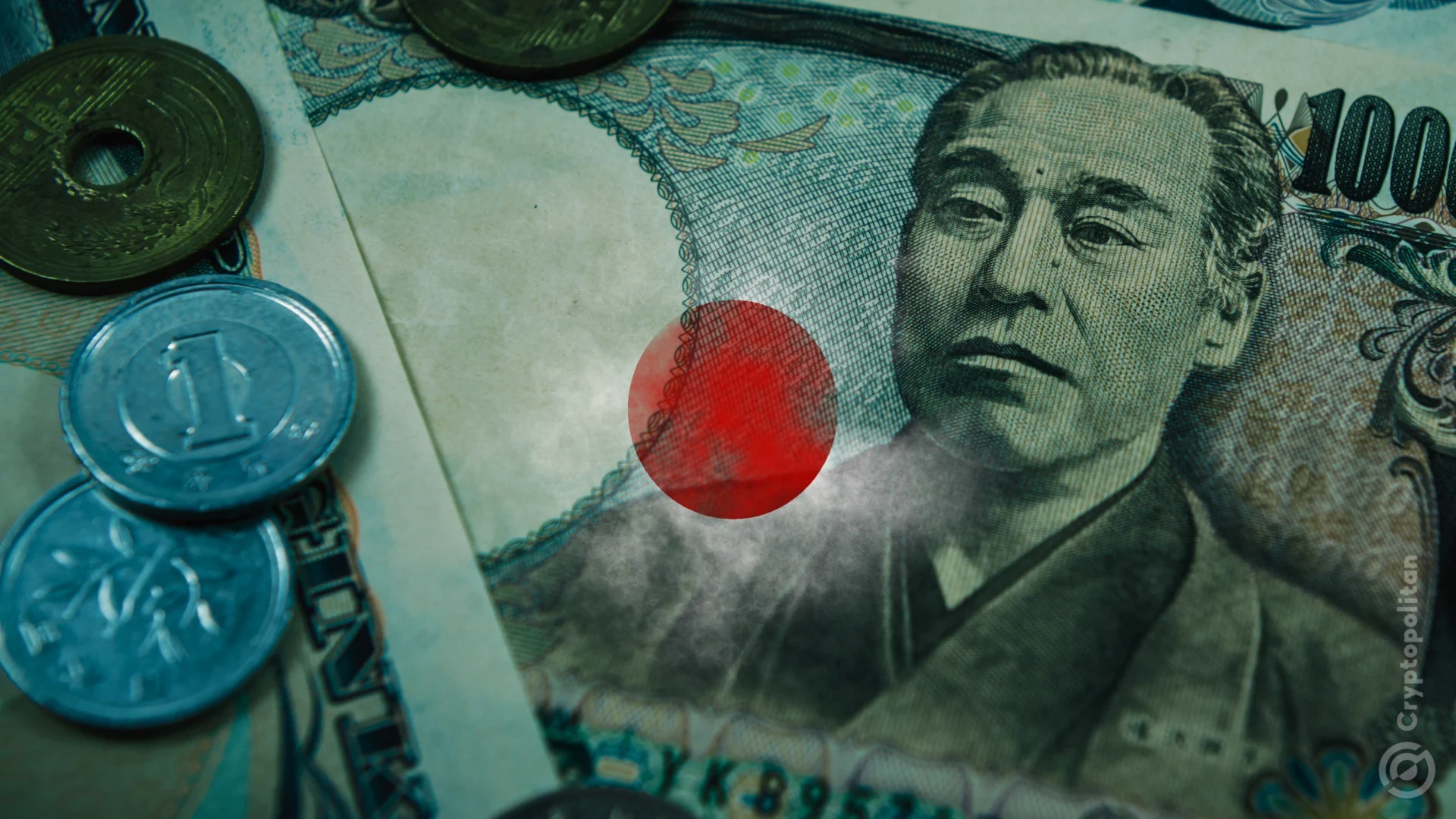
Japan is heading towards a more difficult phase, but the International Monetary Fund still says the Bank of Japan should continue to raise interest rates.
In a statement issued from Washington on Friday after its political consultations with Japan, the Fund said that the war in the Middle East created “significant new risks” for the country’s economic outlook.
However, the bank said that interest rate hikes should continue.
Markets are anticipating another rate hike from the Bank of Japan, as oil, wages and a weak yen continue to fuel price pressures
Markets are already expecting the Bank of Japan to act as soon as April as the conflict escalates Oil pricesIt pushes import costs higher, and continues to put pressure on the weak yen.
The IMF also said risks to growth and inflation were broadly balanced, and said inflation was expected to approach the Bank of Japan’s 2% target in 2027. Its executive board said Japan had shown “strong economic resilience” in the face of global shocks and agreed the central bank was appropriately withdrawing monetary easing.
Statement He said That as core inflation moves towards target, gradual increases in interest rates towards neutral should continue in a flexible, well-communicated and data-driven manner. She also said that a flexible exchange rate remains important as a reliable shock absorber.
The Bank of Japan ended its massive stimulus in 2024 and has raised interest rates several times since then, including in December, based on a view that Japan is close to achieving 2% inflation in a permanent manner.
The Bank of Japan has made clear that it is prepared to continue raising interest rates because core inflation is expected to reach 2% sometime from the second half of fiscal 2026 to fiscal 2027. Japan’s fiscal year begins in April.
Rising oil prices are bad news for an economy that relies heavily on imports, but Bank of Japan officials also signaled concern that higher energy costs could fuel inflation already driven by years of steady wage gains and broader price increases.
After a continuing series of hawkish messages from the central bank, markets had expected a roughly 70% chance of a rate hike in April.
The currency story adds more pressure. The yen fell towards the key level of 160 yen per dollar, keeping markets alert to the risk of intervention by Japanese authorities.
Finance Minister Satsuki Katayama issued a new warning against yen traders on Friday and said Japan is ready to act against speculative moves in the currency market.
“We are prepared to take all available and legally possible means, whether traditional or unconventional,” she said in an online program on Friday evening.
Iran is allowing selected ships to transit Hormuz as airlines linked to Japan begin plying the route again
Shipping data showed that since Thursday, three Omani tankers, a French-owned container ship and a Japanese-owned gas tanker have crossed the South China Sea. Strait of HormuzThis reflects Iran’s policy of allowing the passage of ships that it considers friendly.
Iran closed the strait for the first time, a route through which about a fifth of global oil and liquefied natural gas flows pass, after US and Israeli air strikes on Iran at the end of February widened the scope of the conflict. It later said that ships with no US or Israeli ties would be allowed to pass.
Oil and commodity markets were closely watching for signs of traffic resuming, as many ships had escaped blockades in previous weeks only for activity to be followed by days of complete paralysis.
A container ship owned by French company CMA CGM crossed the strait on Thursday, the same day French President Emmanuel Macron said only diplomatic efforts, not a military operation, could open the strait.
Before entering Iranian waters, the ship changed its AIS destination to “Owner France,” indicating its nationality to Iranian authorities. The ships appear to have turned off their AIS transponders during transit because their signals disappeared from the tracking data.
MarineTraffic and LSEG data also showed that two very large crude carriers and a liquefied natural gas tanker operated by the Oman Shipping Management Company exited the Gulf on Thursday.
Oman, which mediated talks between Iran and the United States before the attacks, criticized the strikes while those talks were still ongoing.
Mitsui OSK Lines said on Friday that the LNG tanker Sohar LNG, which it co-owns, had transited the strait, making it the first ship linked to Japan and the first LNG carrier to do so since the conflict began.
Early Friday, about 45 ships owned or operated by Japanese companies were still stuck in the area, according to Japan’s Ministry of Transport.
Another Mitsui-owned LPG tanker, Green Sanvi, left the Gulf through Iranian territorial waters earlier on Friday and referred to its destination as “Indian ship crew.” The Panama-flagged very large gas tanker, Danisa, used the same route and headed to China.



