
China came out swinging on Tuesday, calling Trump’s alleged decision to blockade Iran’s Strait of Hormuz an “immature, dangerous and irresponsible act” that would make things worse for everyone.
According to Beijing, the blockade (which began at 10:00 a.m. ET on Monday) will harm what Chinese officials described as “an already fragile ceasefire situation.”
“If the United States insists on using this as an excuse to impose additional tariffs on China, China will definitely take firm countermeasures,” China said.
Chinese Foreign Minister Guo Jiakun asked all parties to immediately stop the war and reopen traffic
Chinese President Xi Jinping has supported Tehran for years and buys Iranian crude more than anyone else. If Iranian oil cannot pass through, China will lose a major supply line, and the shock will not stop there.
At a press conference, Foreign Ministry spokesman Guo Jiaqun said the only real way to calm the waterway was a complete ceasefire. He also strongly disputed allegations that China sent weapons to Iran, calling those reports “completely fabricated,” adding that “China believes that only by achieving a comprehensive ceasefire and ending the war can we fundamentally create conditions to ease the situation in the Strait.”
Guo then said, “China urges all parties to adhere to the ceasefire arrangements, focus on the general direction of dialogue and peace talks, take practical measures to further ease the regional situation, and restore normal traffic in the Strait as soon as possible.”
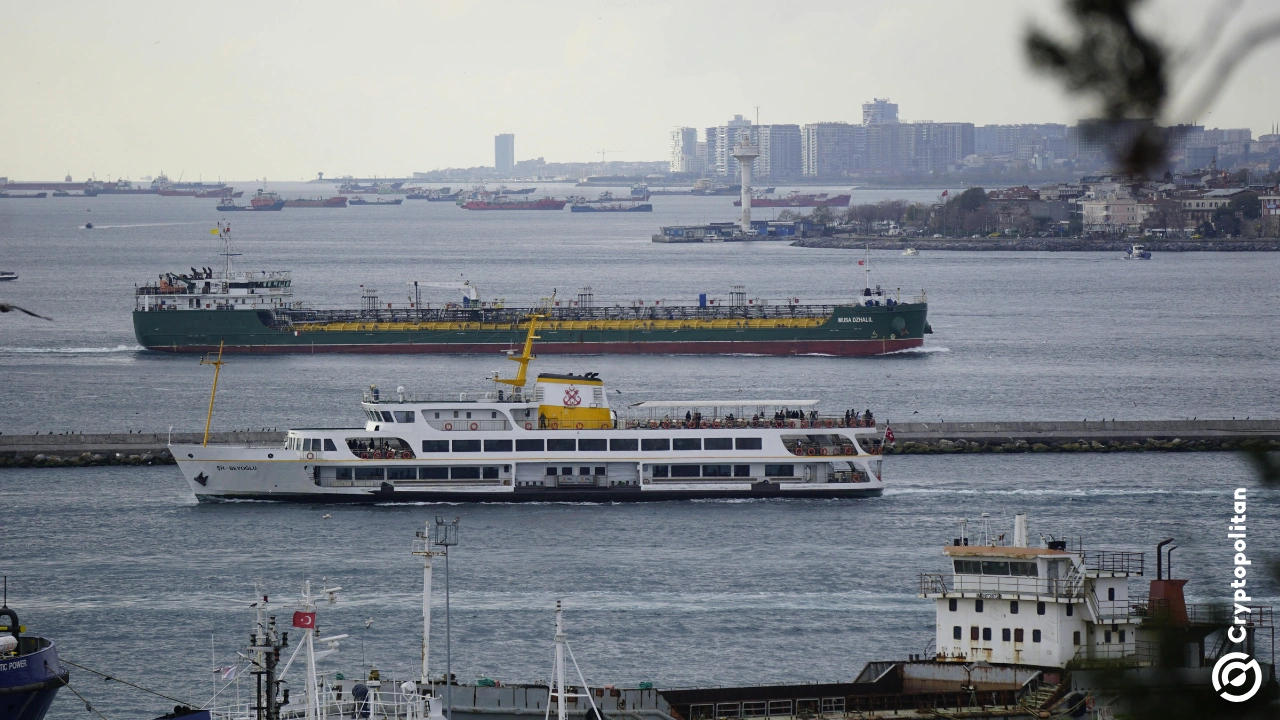
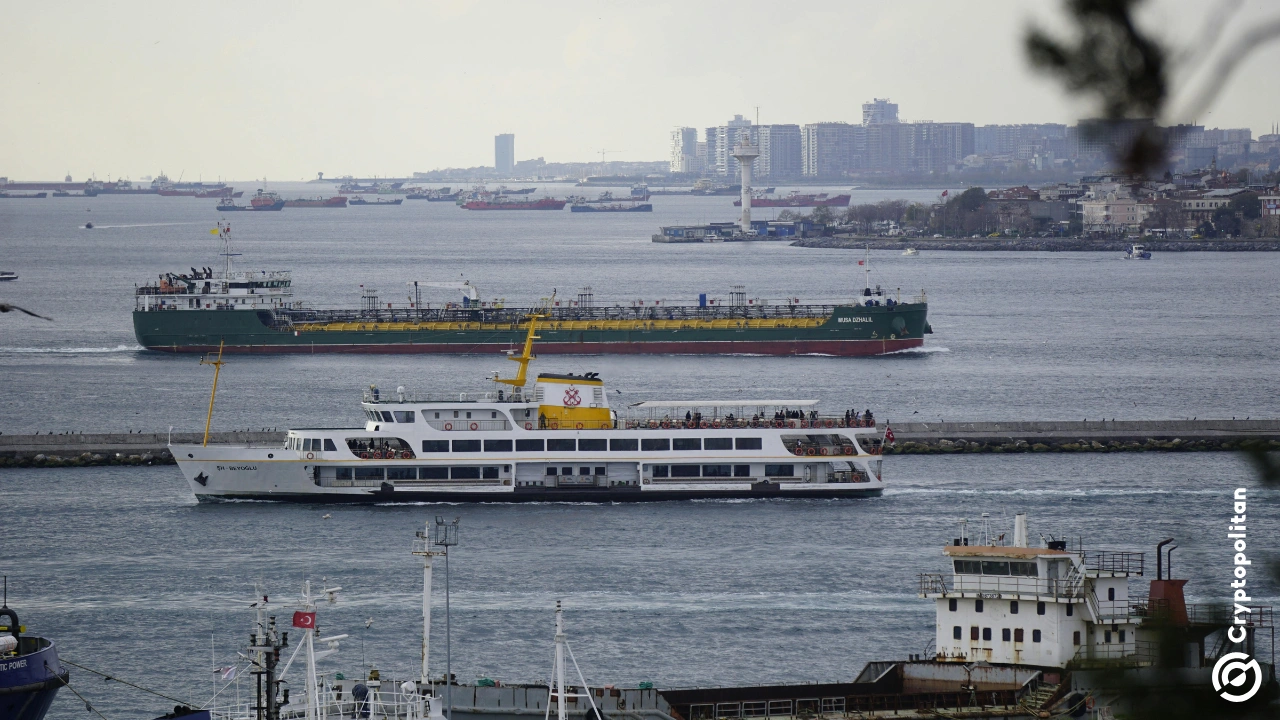
Ships pass through the strait as peace talks with the United States falter and Tehran calculates the damage
Even as the US naval action began, the BBC said that ship tracking data showed that four ships linked to Iran were crossing the Strait of Hormuz after the blockade began. Data reviewed by MarineTraffic showed that two of those ships had arrived at Iranian ports.
One was the bulk carrier Christiana, which transited the strait on Monday after the blockade was already in place. Tracking data showed that she contacted the Bandar Imam Khomeini Center in Iran.
Another ship, the Rich Stary, which is subject to US sanctions linked to trade with Iran, sailed east from Sharjah in the United Arab Emirates through the strait overnight.
The United States also imposes sanctions on a third ship, the tanker Murlikishan, over Iran-related trade. It left Lanshan, China and headed west through the night. MarineTraffic showed the last reported location east of Qeshm Island, off the coast of Iran. The fourth ship, Elpis, also subject to US sanctions, passed eastward after leaving the Iranian port of Bushehr. She did not know her destination.
There is one big complication with all that data. Some ships may have been using “spoofing”, meaning they sent out false position signals to hide their true location, which also means some port calls may be hidden, so it’s not always possible to know where cargo is being loaded or unloaded.
However, the overall picture is ugly. Cross-Strait crossings are now just a small slice of normal traffic. Before the war, the waterway handled an average of 138 ships per day.
On the diplomatic side, Iran’s official news agency (IRNA) said messages had been passed between Tehran and Pakistan, which is acting as an intermediary, but there was “no information” about any agreement for new talks with the United States.
The agency said, quoting a diplomatic source, that the messages were related to “current developments” after the collapse of talks with Washington over the weekend. Earlier, Reuters reported that US and Iranian negotiating teams may return to Islamabad this week to resume talks aimed at ending the war.
At the same time, Iran is putting a figure on the cost of the conflict. Tasnim media outlet I mentioned Tehran is assessing the damages so that it can press for compensation in negotiations. Iranian government spokeswoman Fatemeh Mohajerani told Russian media that “preliminary” estimates put the damage at about $270 billion, or £189 billion, so far.
That number may change as officials continue to count losses, including damaged buildings and lost income when industries closed, she said. Mohajerani also said that compensation was among the issues raised in talks with the United States over the weekend, according to the IRNA news agency.



