
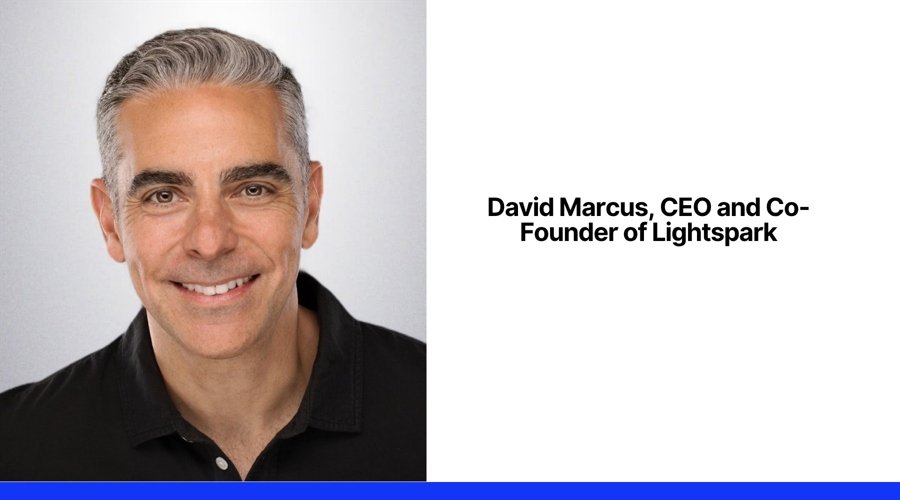
David Marcus, the former PayPal president and CEO who led the Libra cryptocurrency project off shelves at Meta, is making a new push to rebuild banking on stablecoin rails.
He now runs Lightspark, which has unveiled an API-based product that gives platforms and AI agents access to dollar accounts, payments and cards as well as bitcoin and stablecoin infrastructure.
The launch of the latest offering pushes banking-as-a-service into the era of stablecoins, giving platforms and AI agents access to dollar accounts, payments and cards via Bitcoin-based rails rather than through traditional bank suites.
The move marks a new phase in Marcus’s long-standing effort to make money move like internet data, and comes as regulators and companies begin to treat stablecoins and agent-driven interfaces as key infrastructure.
According to Tuesday’s post, Marcus explained that the product allows companies to offer branded dollar accounts, Stable coin
Stablecoins
Unlike other cryptocurrencies like Bitcoin and Ethereum, stablecoins are cryptocurrencies that are designed to maintain a stable value. A greater emphasis on stability rather than volatility can be a big draw for some investors. Many individuals can shy away from the high volatility and uncertainty that cryptocurrencies represent compared to other traditional assets. Stablecoins control this volatility by pegging them to another cryptocurrency, fiat money, or to exchange-traded commodities, including
Unlike other cryptocurrencies like Bitcoin and Ethereum, stablecoins are cryptocurrencies that are designed to maintain a stable value. A greater emphasis on stability rather than volatility can be a big draw for some investors. Many individuals can shy away from the high volatility and uncertainty that cryptocurrencies represent compared to other traditional assets. Stablecoins control this volatility by pegging them to another cryptocurrency, fiat money, or to exchange-traded commodities, including
Read this term Balances, payouts, payments and cards, with Bitcoin and stablecoins handling settlement in the backend rather than on the sub-ledgers of the sponsoring bank.
In practice, Lightspark’s Grid Global Accounts compete directly with emerging stablecoin-based banking groups that allow platforms to embed accounts, payments, and payouts behind an API. The offerings around Stripe’s Bridge, Agora, and Bastion, for example, focus on either white-label stablecoin issuance, enterprise stablecoin infrastructure, or stablecoin payments that settle fiat balances.
Continue reading: Dollar-pegged stablecoins surge to $313 billion in risk-off pivot amid US-Iran conflict
Lightspark built the accounts on top of Grid and Spark, Bitcoin’s Layer 2 network that supports stablecoin issuance and low-cost transactions while remaining compatible with Lightning. The company already connects to local, real-time payment systems in more than 65 countries and works with partners like Cross River Bank to support 24/7 paper settlement across RTP, FedNow and multi-rail infrastructure.
“Marcus has the most fascinating back story: the former CEO of PayPal, has traditionally moved money, and is behind Meta’s Libra, a global bank account and ‘stablecoin’ that has been opposed by regulators,” noted Simon Taylor, founder of FintechBrainfood. “Now this is a stable global bank account distributed through an API, yetThe law of geniussold to companies and machines.
Marcus positions the launch as an alternative to classic BaaS architectures built on middleware, card processors and FBO accounts at sponsoring banks. He argues that in the old model, platforms build relationships with users but lose fees and data to intermediaries every time money moves, while under the new model they maintain yield, exchange and FX margin along with transaction information.
Regulatory clarity and AI agents shape timing
The Lightspark announcement is based on a changed regulatory and technological backdrop compared to the previous Marcus announcement Libra
Libra
Libra is a yet-to-be-released cryptocurrency proposed by Facebook, Inc., intended to serve as a global payment system and stable financial infrastructure that people around the world can use. The expected release date of the Libra cryptocurrency is currently scheduled to be 2020, while the project is currently managed by the Libra Association. Headquartered in Geneva, Switzerland, the Libra Association’s main purpose is based on three pillars. This includes providing a framework
Libra is a yet-to-be-released cryptocurrency proposed by Facebook, Inc., intended to serve as a global payment system and stable financial infrastructure that people around the world can use. The expected release date of the Libra cryptocurrency is currently scheduled to be 2020, while the project is currently managed by the Libra Association. Headquartered in Geneva, Switzerland, the Libra Association’s main purpose is based on three pillars. This includes providing a framework
Read this term Dead try. Since then, the US GENIUS Act created a federal framework for stablecoin payments, and MiCA came into force in the European Union, giving companies clearer rules on issuance, reserves and supervision.
The MetaLibra project, which Marcos led before it was rebranded as Diem, has not reached full launch after intense opposition from regulators and policymakers around the world.
Facebook announced Libra in 2019 as a global stablecoin backed by a basket of currencies and governed by the Libra Association, but the plan quickly came under scrutiny from US and European authorities over monetary sovereignty, financial stability and data concerns, prompting prominent backers such as Visa, MasterCard and PayPal to withdraw.
Under pressure, the initiative pivoted to a narrower model of single-currency stablecoins It was rebranded as DiemHowever, it failed to secure regulatory relief; By early 2022, the Diem Association agreed to sell its intellectual property and Other assets to Silvergate Capital for approximately $182 million, effectively ending the project and forcing Meta to shut down the associated Novi beta wallet later that year.
David Marcus, the former PayPal president and CEO who led the Libra cryptocurrency project off shelves at Meta, is making a new push to rebuild banking on stablecoin rails.
He now runs Lightspark, which has unveiled an API-based product that gives platforms and AI agents access to dollar accounts, payments and cards as well as bitcoin and stablecoin infrastructure.
The launch of the latest offering pushes banking-as-a-service into the era of stablecoins, giving platforms and AI agents access to dollar accounts, payments and cards via Bitcoin-based rails rather than through traditional bank suites.
The move marks a new phase in Marcus’s long-standing effort to make money move like internet data, and comes as regulators and companies begin to treat stablecoins and agent-driven interfaces as key infrastructure.
According to Tuesday’s post, Marcus explained that the product allows companies to offer branded dollar accounts, Stable coin
Stablecoins
Unlike other cryptocurrencies like Bitcoin and Ethereum, stablecoins are cryptocurrencies that are designed to maintain a stable value. A greater emphasis on stability rather than volatility can be a big draw for some investors. Many individuals can shy away from the high volatility and uncertainty that cryptocurrencies represent compared to other traditional assets. Stablecoins control this volatility by pegging them to another cryptocurrency, fiat money, or to exchange-traded commodities, including
Unlike other cryptocurrencies like Bitcoin and Ethereum, stablecoins are cryptocurrencies that are designed to maintain a stable value. A greater emphasis on stability rather than volatility can be a big draw for some investors. Many individuals can shy away from the high volatility and uncertainty that cryptocurrencies represent compared to other traditional assets. Stablecoins control this volatility by pegging them to another cryptocurrency, fiat money, or to exchange-traded commodities, including
Read this term Balances, payouts, payments and cards, with Bitcoin and stablecoins handling settlement in the backend rather than on the sub-ledgers of the sponsoring bank.
In practice, Lightspark’s Grid Global Accounts compete directly with emerging stablecoin-based banking groups that allow platforms to embed accounts, payments, and payouts behind an API. The offerings around Stripe’s Bridge, Agora, and Bastion, for example, focus on either white-label stablecoin issuance, enterprise stablecoin infrastructure, or stablecoin payments that settle fiat balances.
Continue reading: Dollar-pegged stablecoins surge to $313 billion in risk-off pivot amid US-Iran conflict
Lightspark built the accounts on top of Grid and Spark, Bitcoin’s Layer 2 network that supports stablecoin issuance and low-cost transactions while remaining compatible with Lightning. The company already connects to local, real-time payment systems in more than 65 countries and works with partners like Cross River Bank to support 24/7 paper settlement across RTP, FedNow and multi-rail infrastructure.
“Marcus has the most fascinating back story: the former CEO of PayPal, has traditionally moved money, and is behind Meta’s Libra, a global bank account and ‘stablecoin’ that has been opposed by regulators,” noted Simon Taylor, founder of FintechBrainfood. “Now this is a stable global bank account distributed through an API, yetThe law of geniussold to companies and machines.
Marcus positions the launch as an alternative to classic BaaS architectures built on middleware, card processors and FBO accounts at sponsoring banks. He argues that in the old model, platforms build relationships with users but lose fees and data to intermediaries every time money moves, while under the new model they maintain yield, exchange and FX margin along with transaction information.
Regulatory clarity and AI agents shape timing
The Lightspark announcement is based on a changed regulatory and technological backdrop compared to the previous Marcus announcement Libra
Libra
Libra is a yet-to-be-released cryptocurrency proposed by Facebook, Inc., intended to serve as a global payment system and stable financial infrastructure that people around the world can use. The expected release date of the Libra cryptocurrency is currently scheduled to be 2020, while the project is currently managed by the Libra Association. Headquartered in Geneva, Switzerland, the Libra Association’s main purpose is based on three pillars. This includes providing a framework
Libra is a yet-to-be-released cryptocurrency proposed by Facebook, Inc., intended to serve as a global payment system and stable financial infrastructure that people around the world can use. The expected release date of the Libra cryptocurrency is currently scheduled to be 2020, while the project is currently managed by the Libra Association. Headquartered in Geneva, Switzerland, the Libra Association’s main purpose is based on three pillars. This includes providing a framework
Read this term Dead try. Since then, the US GENIUS Act created a federal framework for stablecoin payments, and MiCA came into force in the European Union, giving companies clearer rules on issuance, reserves and supervision.
The MetaLibra project, which Marcos led before it was rebranded as Diem, has not reached full launch after intense opposition from regulators and policymakers around the world.
Facebook announced Libra in 2019 as a global stablecoin backed by a basket of currencies and governed by the Libra Association, but the plan quickly came under scrutiny from US and European authorities over monetary sovereignty, financial stability and data concerns, prompting prominent backers such as Visa, MasterCard and PayPal to withdraw.
Under pressure, the initiative pivoted to a narrower model of single-currency stablecoins It was rebranded as DiemHowever, it failed to secure regulatory relief; By early 2022, the Diem Association agreed to sell its intellectual property and Other assets to Silvergate Capital for approximately $182 million, effectively ending the project and forcing Meta to shut down the associated Novi beta wallet later that year.



