
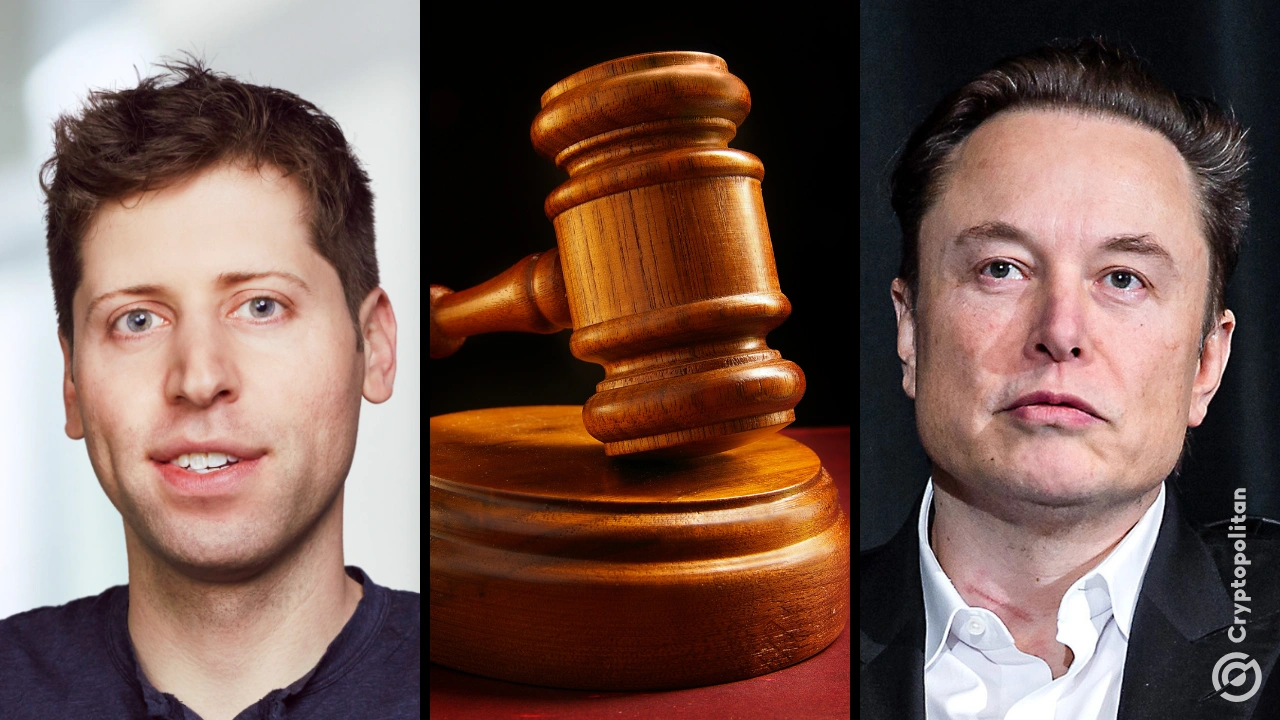
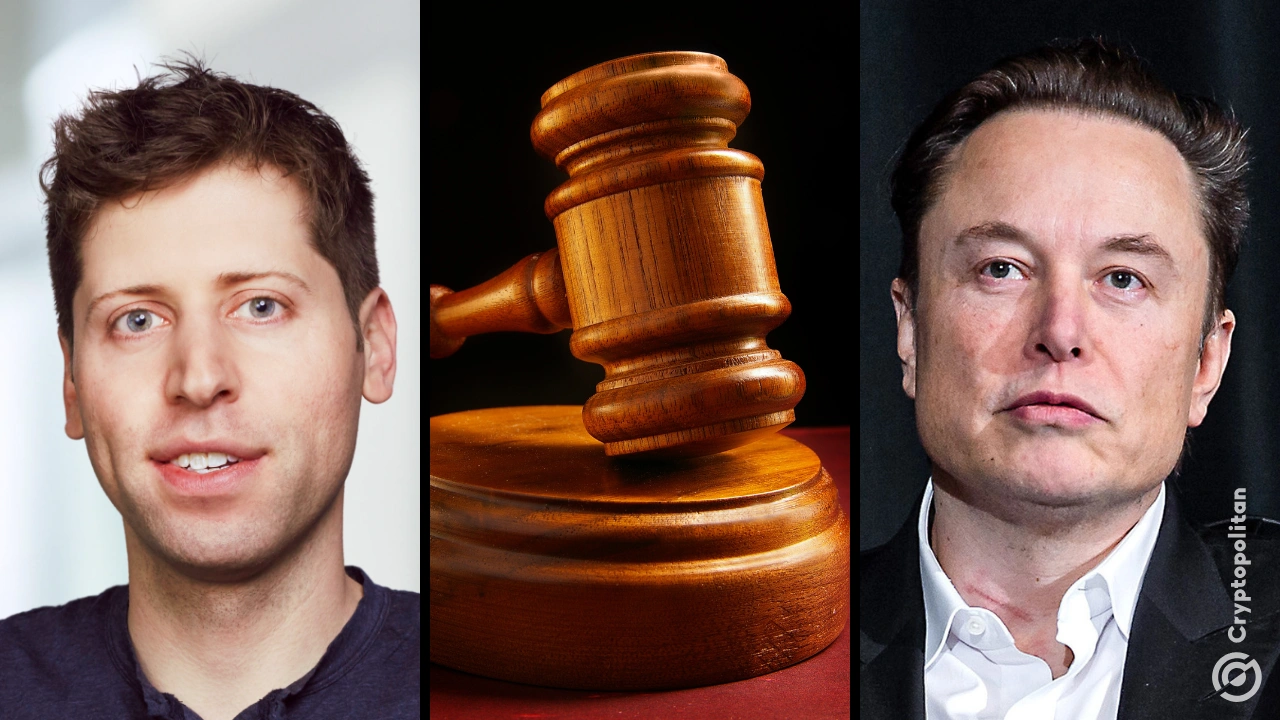
Sam Altman and OpenAI won a major pretrial win on Friday after a federal judge struck Elon Musk’s fraud claims from his lawsuit over the company’s structure and mission.
US District Judge Yvonne Gonzalez Rogers issued the ruling in Oakland, California, before the battle reached the jury. The trial is still ongoing, of course, but it now focuses on charitable breach of trust and unjust enrichment, not fraud.
Jury selection begins Monday, and opening statements are expected Tuesday. now Elon suit He says OpenAI, Sam and Greg Brockman, and Microsoft (MSFT) misled him and the public after OpenAI created a for-profit arm in 2019, after Elon had already left the board.
He says the company has strayed from the non-profit promise behind its 2015 launch. Elon had asked to have the fraud and constructive fraud allegations dropped before trial, because he said it would “simplify the case.”
He also said jurors should focus on whether OpenAI Still serving humanity or turning into a “wealth machine”. Reuters calculates that Elon’s claim for damages amounts to $150 billion, with this money set to go to OpenAI’s charitable arm.
Judge dismisses fraud claims while Elon maintains two primary claims against OpenAI and Sam
The lawsuit began on a much larger scale than the case now heading to court. Elon filed 26 lawsuits in November 2024 against OpenAI, Sam, and Greg. Before Friday’s ruling, there were only four claims alive.
These were fraud, constructive fraud, unjust enrichment and charitable breach of trust. Now the two fraud-based claims have disappeared, leaving the jury with charitable trust and enrichment arguments.
Elon says OpenAI was meant to remain a nonprofit forever. His complaint says the people behind it promised to build artificial intelligence for the public benefit, not for private gain. OpenAI later changed its structure so it could run a for-profit subsidiary.
This business is now valued at more than $850 billion, which is exactly why this courtroom battle is no small tech grudge. There is real money, real control, and real market power beneath every legal file.
Personal history makes it more clear. Elon Musk and Sam Altman helped launch OpenAI in 2015 along with other tech figures who were concerned about the power of AI. At that time, they were on the same side. Now they are competitors.
Elon started xAI in 2023 to compete with OpenAI. It also recently merged xAI with SpaceX in a deal that valued the combined business at $1.25 trillion.
The trial begins in federal court in Oakland, across the Bay Bridge from San Francisco, where OpenAI is based.
If Elon wins, he says he doesn’t want the money for himself. He wants the court to return all “ill-gotten gains” to the nonprofit side of OpenAI. He also wants to remove Sam and Greg from their roles. Furthermore, he wants the court to undo OpenAI’s profit-focused restructuring.
OpenAI and Elon are fighting in court as both sides pursue bigger market plans
The timing is not calm. Elon is preparing SpaceX for a public listing that could become a record-setting IPO. OpenAI is also eyeing a potential market debut in the fourth quarter. In investor papers sent out earlier this year, OpenAI named Elon lawsuit As a “business risk.”
OpenAI called Elon’s lawsuit “baseless.” In an Elon returned fire in the same public square.
In August, he wrote on X: “Fraud Altman lies as easily as he breathes.” Sam responded in February with his own post: “I’m really excited for Elon to be sworn in in a few months, and Christmas is in April!”
X, previously Twitter, and xAI also sued OpenAI and Apple in 2025 for alleged anticompetitive behavior.
A hearing in this case is scheduled for May in Texas. In February, a federal judge in California also dismissed a separate xAI case that accused OpenAI of stealing trade secrets.



