

President Trump met with US senators at the White House on Thursday to resolve a conflict of interest provision that has become the latest major hurdle to moving forward with the Digital Asset Market Clarity Act.
Landmark legislation that would divide regulatory jurisdiction over spot digital assets between the SEC (Securities and Exchange Commission) and the CFTC (Commodity Futures Trading Commission), according to people familiar with the plans.
This is not just scheduling development. It’s a presidential intervention in a dispute over legal wording that has exposed a structural tension at the heart of cryptocurrency regulation in the United States: The same administration that champions the CLARITY Act stands to benefit materially from the absence of the very ethics rules Democrats demand as a condition of their votes.
discovers: Best Meme Coins You Can Buy in July
Clarity Act: The ethics provision that stalled bipartisan talks
The Digital Asset Market Clarity Act passed the House of Representatives in July 2025 and passed the Senate Banking Committee in May 2026 with support from Ruben Gallego (D-Arizona) and Angela Alsobrooks (D-Maryland) – the only two Democrats to vote the bill out of committee. Since then, both senators have conditioned their votes on a strong conflict-of-interest provision covering the president, vice president and members of Congress, making their support mathematically necessary to clear the vote.
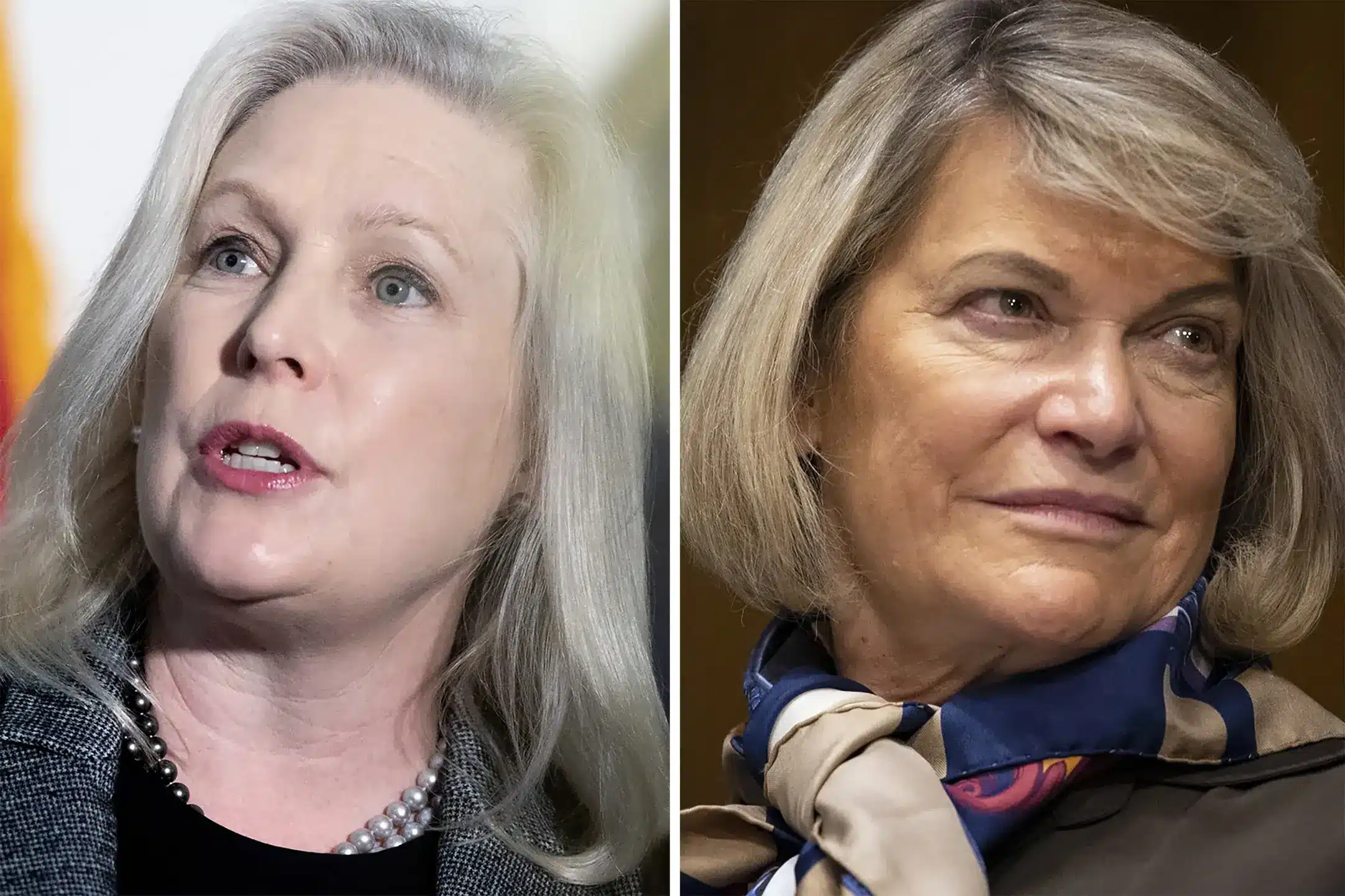
The sticking point is the scope of implementation. A previous closed session featuring Senators Gallego, Kirsten Gillibrand (D-N.Y.), Cynthia Lummis (R-Wis.), and Bernie Moreno (R-Ohio), joined by White House Cryptocurrency Council Executive Director Patrick Witt, collapsed after withdrawing a tentative agreement giving state attorneys general standing to sue the Department of Justice over ethics enforcement failures by the White House and Republican negotiators. The proposed alternative – keeping implementation within the discretion of the US Attorney General – was rejected by Democrats as structurally insufficient, given the direct accountability that the Attorney General bears to Trump.
Trump revealed he earned more than $1 billion from cryptocurrency-related projects in 2025, including World Liberty Financial, according to financial disclosures reported by CoinDesk. Some estimates put the Trump family’s total cryptocurrency-related earnings at around $2.3 billion since his return to office. The revelations solidified Democratic demands: Sen. Chris Van Hollen (D-Md.) introduced an amendment in committee that would have explicitly banned the president, vice president, and members of Congress from the cryptocurrency business; I failed 11-13.
discovers: Best coins to buy in 2026
Crypto Policy Timeline: Three weeks of time remaining
Senate Majority Leader John Thune said he will push the CLARITY Act to a vote this month, regardless of whether there is a final ethics agreement. The Senate returned from its Independence Day recess on July 13; The August holiday begins after the first week of August, leaving approximately three weeks of time for use. It was not clear at press time whether Thursday’s White House session included Democratic senators, with at least one person tracking the negotiations telling CoinDesk they had not heard about the Democrats’ invitation.
A separate faction of Senate Democrats held a news conference on Tuesday, calling the CLARITY Act a corrupt bill and threatening to block it — but that group privately excluded both Gallego and Albrooks, suggesting that the bipartisan path to its passage remains structurally sound if the ethics language can be resolved.
If the ethics crisis extends beyond the August recess, the bill could be pushed back to 2027, T.D. Quinn warned. Astraea is estimated to be released around August 2026 If the conflict of interest item is resolved within the current window. Galaxy Research puts the odds of 2026 passing at roughly 50/50.
We believe Thursday’s White House meeting represents the administration’s calculation that signaling at the presidential level on acceptable moral language is now the only remaining mechanism capable of distancing Gallego and Albrooks from their precondition — but without knowing which senators were in the room, the session’s ability to produce a lasting bipartisan deal remains an open question.
For the broader cryptocurrency regulatory landscape, the risks extend beyond the ethics department. The basic market structure provisions of the Clarity Act—exchange registration, custody standards, and CFTC/SEC jurisdictional limits—remain unresolved in US law. Every week the moral dilemma continues It is a week when compliance timelines for digital commodity exchanges and custodians remain in legal limbo.
discovers: Best Meme Coins You Can Buy in July
Disclaimer: Coinspeaker is committed to providing unbiased and transparent reporting. This article aims to provide accurate and timely information but should not be considered financial or investment advice. Since market conditions can change rapidly, we encourage you to verify the information yourself and consult with a professional before making any decisions based on this content.

Neil is a professional cryptocurrency content writer with years of experience. He has written for numerous cryptocurrency websites to report breaking news, and has been hired by all kinds of cryptocurrency projects, to create content that will increase their exposure and attract more potential investors.



