
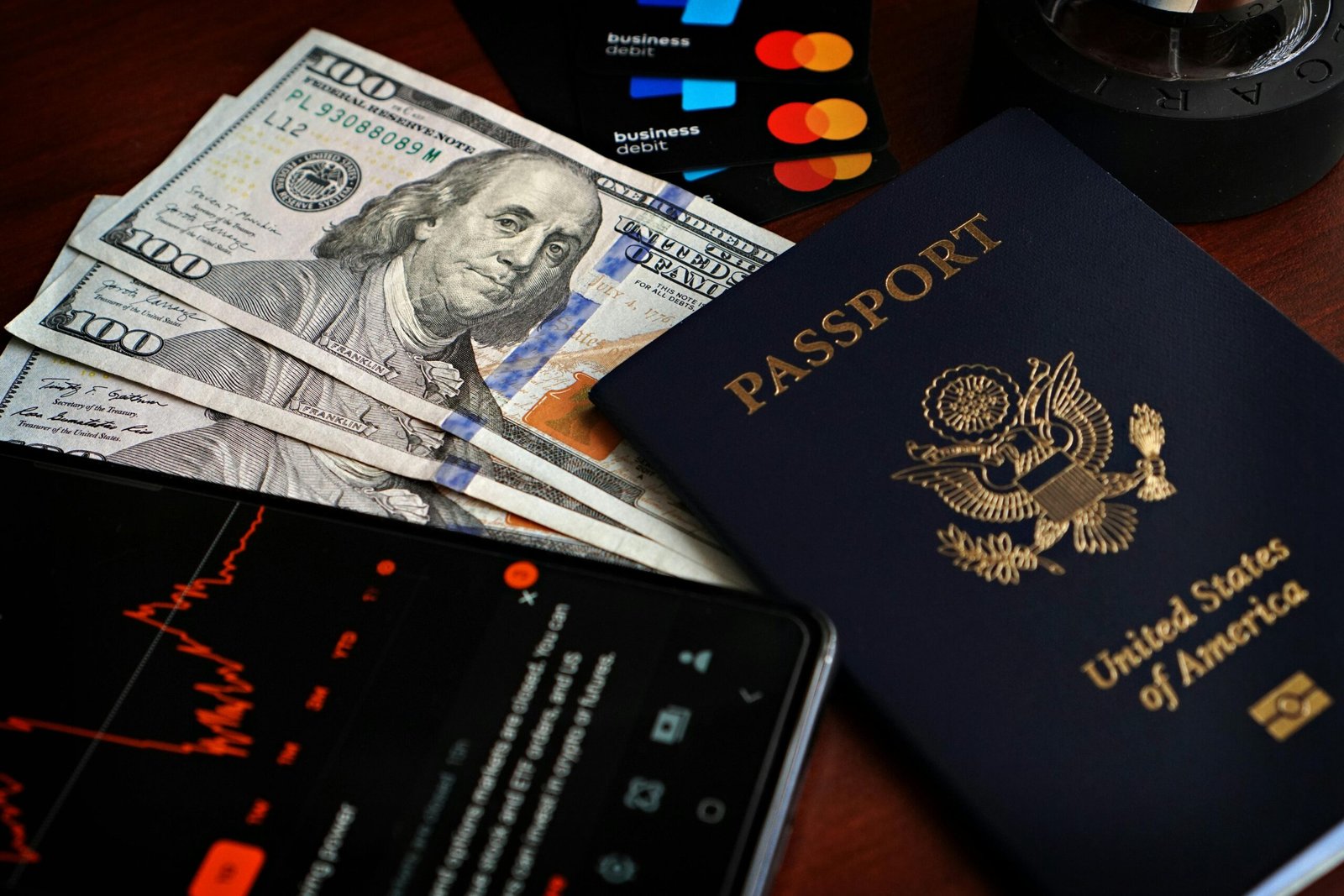
In this article, I will examine subscription-based NFTs Digital media passportsa groundbreaking innovation that revolutionizes access and ownership in the digital space.
These passports use blockchain technology and combine renewable subscriptions with individual NFTs and provide a secure, mobile and personalized way to access different sets of digital content.
It provides creators with a way to monetize content directly, and consumers with a way to control their digital identity and experience.
summary
In a rapidly evolving environment in terms of digital ownership, NFTs (non-fungible tokens) based on the subscription model offer a new approach to managing access, identity and rights within the digital media ecosystem.
NFTs have traditionally been associated with fixed ownership — purchasing a digital artwork, song, or collectible to keep in a wallet forever.
Through subscription-based NFTs, digital media passports provide a unique and enhanced way to interact with digital media that is expected to be transformation The relationship between creators, consumers and platforms.
A digital media passport provides access to certain digital experiences, content libraries, or communities via secure digital media passports or blockchain credentials.
Think of a digital media passport like a global pass that provides access, membership, or subscription verification across a range of services.
Media passports bypass traditional logins and paywalls, providing a decentralized, fully portable, and secure alternative.
In common with NFTs, media passports are dynamic assets that can be changed through renewals, upgrades, and even transfer of ownership.
Instead of making a fixed purchase, consumers sign up for an NFT media passport, which is upgraded as the buyer’s digital engagement evolves, unlocking new levels of content, access to special events, and personalized experiences.
How subscription-based NFTs work
Subscribers to NFTs purchase ownership (and some measure of utility) for a limited period of time:
Mint the access code – Creators/platforms mint NFTs represents Subscription levels (e.g. monthly, annual, premium)
Renewal of smart contracts NFTs have codes for expiration dates and mechanisms that allow for continued seamless access.
Update NFT metadata – The metadata associated with the NFT is dynamic and can be changed to provide/update the perks, achievements, contests, etc., that the subscriber can access.
Since NFTs are built on the blockchain, a single subscription can give access to multiple interoperable platforms (music, games, e-learning, social networks) on a single passport. This new format transforms NFTs from immutable collections into a series of active digital characters.
Benefits for creators and platforms
Generate direct income: Instead of going through an intermediary, creators can receive payment directly through blockchain monetization.
Programmable loyalty: NFTs powered by smart contracts can provide long-term subscribers with special NFTs, exclusive rewards, rare upgrades, and discounts.
He crosses–platform: Users can redeem content on different platforms for creators using an NFT passport because it opens up and facilitates access digitally across platforms.
Resale and portability: NFT passports can be resold and donated, unlike standard subscriptions, opening up a secondary market.
Simplified ownership And sign up history: NFTs and blockchain Technology ensures a secure and immutable record of ownership and history of subscription tickets.
Benefits for consumers
Subscription NFTs allow users to create and carry a unique digital identity for themselves.
Single entry: A single NFT can provide access to multiple services.
access rightsSubscribers can transfer or sell their access rights.
Active use: NFTs that change based on user activity can provide games and status symbols to identify users.
Data security: Blockchain passports allow users to avoid relying on a centralized system that stores user data, providing users with greater control over their data.
Real world applications
Based on the general concepts of NFT subscriptions and digital media passports, there are several possible applications:
Streaming services: You can use a Netflix NFT passport, for example. Depending on your access level, different metadata will be available to you, and it will update to show your viewing history, and even reward you with loyalty rewards.
Games: NFT passports can allow access to certain seasonal content and exclusive skins. They may also let you enter tournaments.
to publish: An NFT subscription may give you access to a digital magazine, an e-book, or even a combination of the two. Access can be traded or gifted.
education: Universities and online learning platforms He could Use NFTs as a way to grant access to courses. The credentials will be stored on the blockchain permanently.
Events and communities: You can use NFT passports to access concerts or conferences. Access to Tier or VIP/Special groups can be renewed online as well.
Challenges and considerations
Scalability: For blockchain technology to be adopted, there is a need to integrate technology that will capture subscription transactions in large quantities.
User experience: Simplified and easy-to-use interfaces must be developed to hide the complexities of wallets and smart contracts.
Systems: There is a need for a clearer and unified approach to the issues surrounding legal ownership of data, the right to re-commerce, and statutory taxation of data resale.
Environmental impact: There is still concern about the energy consumption of blockchain technology, although there is improvement in the use of newer, environmentally friendly chains.
NFTs for media subscriptions are a new way to consume digital media. It combines the adaptability of subscriptions with the personality and exclusivity of NFTs, creating a new model that benefits both audiences and creators.
When combined with the latest developments in blockchain technologyMedia subscription NFTs will likely be the new way to access digital media, eliminating multiple accounts, paywalls, and memberships to different providers.
NFTs for media subscriptions provide consumers with more than just digital assets; It provides consumers with a way to reclaim their digital identity, experiences, and digital rights in a decentralized system.
The next phase of digital media consumption will be decentralized systems and programmable, portable, and customizable digital media passports.
conclusion
As a final point, NFTs that operate on a subscription model are beginning to change how consumers experience ownership and access within a digitally dominated market.
These NFTs combine renewable subscriptions and blockchain-linked identities to allow creators direct monetization opportunities and beneficiaries customizable and transferable access to digital assets.
There are obstacles to this approach including regulation and the ability to scale quickly. However, the model offers promise in terms of a regulation-free, decentralized marketplace that provides patrons with direct control over how they interact with digital content.
Instructions
Time-bound digital codes that grant renewable access.
Blockchain credentials to access content.
It is portable, transferable and verifiable.
Yes, passports can be traded or given as a gift.



