

CLARITY ACT NEWS: House Financial Services Committee Subcommittee on Digital Assets will be held A field hearing in New York City on July 17, 2026, targeting Wall Street institutions and cryptocurrency exchanges that would operate directly within the proposed framework of the bill. The title of the hearing and the chair of the subcommittee will be identified in the notice of the formal committee hearing.
This is not just a procedural information gathering session. It is a deliberate legislative maneuver to standardize industry certification and exert political pressure on the Senate before the August 7 recess, the last viable window for action on the Digital Asset Market Clarity Act in 2026.
🇺🇸 The US House of Representatives will hold a hearing on the Crypto CLARITY Act in just 4 days, on July 17. pic.twitter.com/Vw4PHOiE4j
– CW (@CW8900) July 13, 2026
explores: The next crypto to explode in Q3
Clarity Act News: From the House floor to the Senate calendar
The Digital Asset Market Clarity Act, designated HR 3633 per congress.gov, passed the House of Representatives on July 17, 2025, by a bipartisan vote of 294-134. According to a CryptoRank report, the Senate Banking Committee advanced the bill 15-9 on May 14, 2026, and the bill was placed on the Senate legislative calendar on June 1, 2026, according to congressional website records.
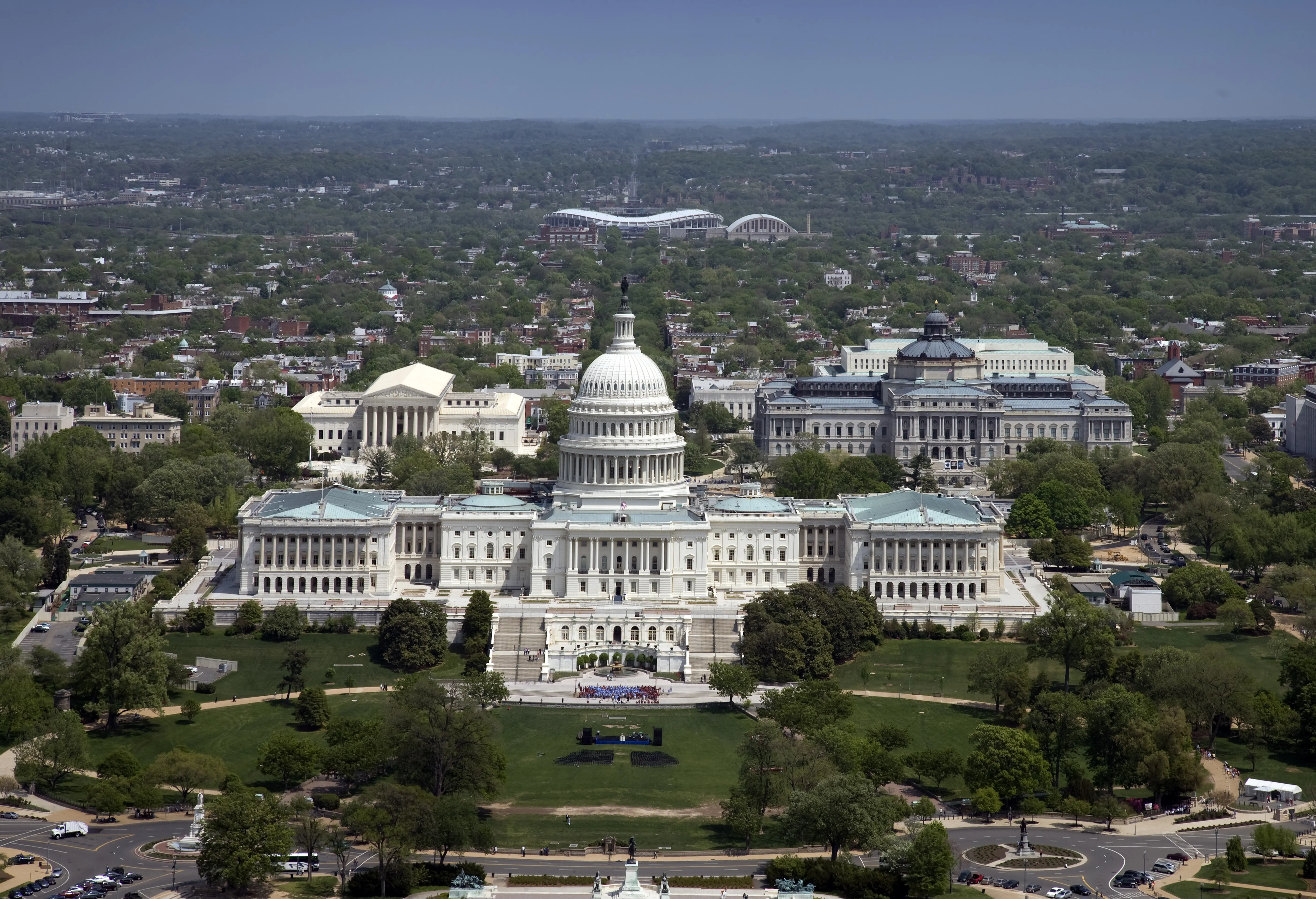
The bill’s infrastructure gives the CFTC exclusive authority over spot markets for digital goods, a category that includes Bitcoin and other assets on networks deemed sufficiently decentralized, while the SEC retains jurisdiction over digital assets that qualify as investment contracts. The maturity and decentralization threshold is a specific legal test, not a discretionary agency call.
This judicial clarity is exactly what exchanges, brokers, and token issuers have been waiting for. The crypto regulatory vacuum resulting from years of parallel SEC and CFTC enforcement actions has raised compliance costs and pushed developers toward offshore jurisdictions. HR 3633 is designed to replace the enforcement-first stance with a legal framework that identifies the regulator that governs the asset class from day one.
discovers: Senate Clarity Act: What to Prevent Cryptocurrency Regulation in 2026
Senate Math: The 60-Vote Threshold and Unresolved Rulings
The bill’s remaining path goes through a vote on the Senate floor, which, under standard Senate rules, requires 60 votes to pass, the minimum that makes the position of each noncompliant member matter. The disputed provisions include stablecoin payout language, the scope of the safe harbor for DeFi developers, and ethical rules governing officials’ cryptocurrency holdings, as detailed in Prior analysis of voting variables in the Senate.
The field hearing in New York City on July 17 is a major milestone before the August 7 recess deadline, as leadership appears to be compressing the reconciliation timeline rather than letting it drift until after the recess.
Galaxy Research estimates a 60-75% chance the bill will become law in 2026 and expects a possible presidential signature during the week of August 3, CryptoRank reports. Predictive market pricing on Crypto Briving’s Vera platform was more conservative, putting the probability of signing in 2026 at 46.5% as of July 12, a gap that likely reflects different assumptions about Senate session scheduling and cloture mathematics rather than disagreement over the bill’s underlying support.
We believe the choice of New York as the venue for the hearing is less about geography and more about signaling: Holding the hearing outside Washington, in the city most directly affected by the market structure provisions of the bill, is intended to generate financial industry testimony that Senate moderates can cite as justification at the foundational level for voting yes on the cloture.
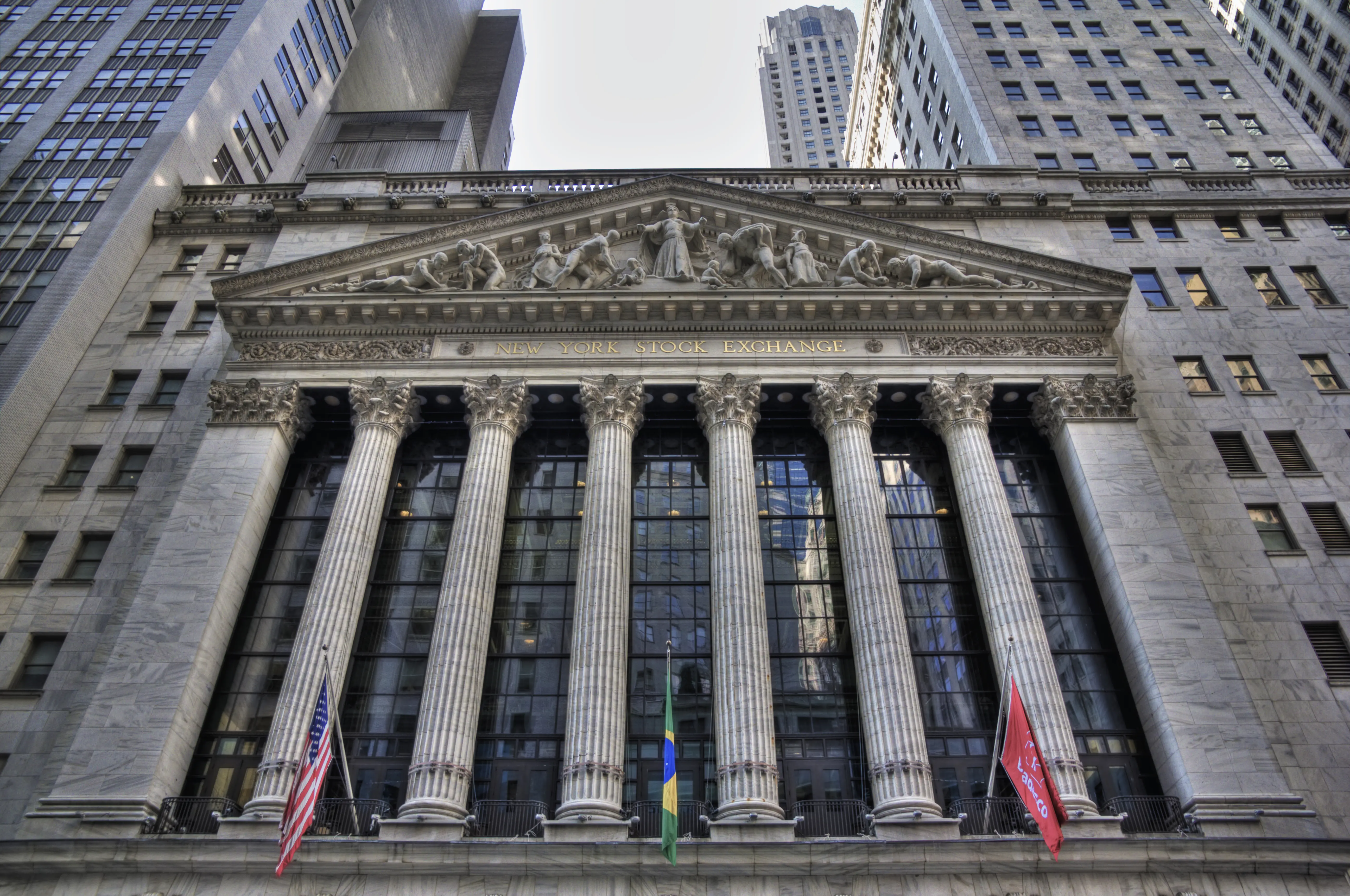
The analytical question is no longer whether the law of clarity has sufficient support in principle; Rather, it is whether Senate floor managers can consolidate 60 votes before Aug. 7 with the disputed rulings remaining open. The July 17 hearing is the last scheduled public input mechanism before that window closes.
explores: The next crypto to explode in Q3
Disclaimer: Coinspeaker is committed to providing unbiased and transparent reporting. This article aims to provide accurate and timely information but should not be considered financial or investment advice. Since market conditions can change rapidly, we encourage you to verify the information yourself and consult with a professional before making any decisions based on this content.

Neil is a professional cryptocurrency content writer with years of experience. He has written for numerous cryptocurrency websites to report breaking news, and has been hired by all kinds of cryptocurrency projects, to create content that will increase their exposure and attract more potential investors.



